

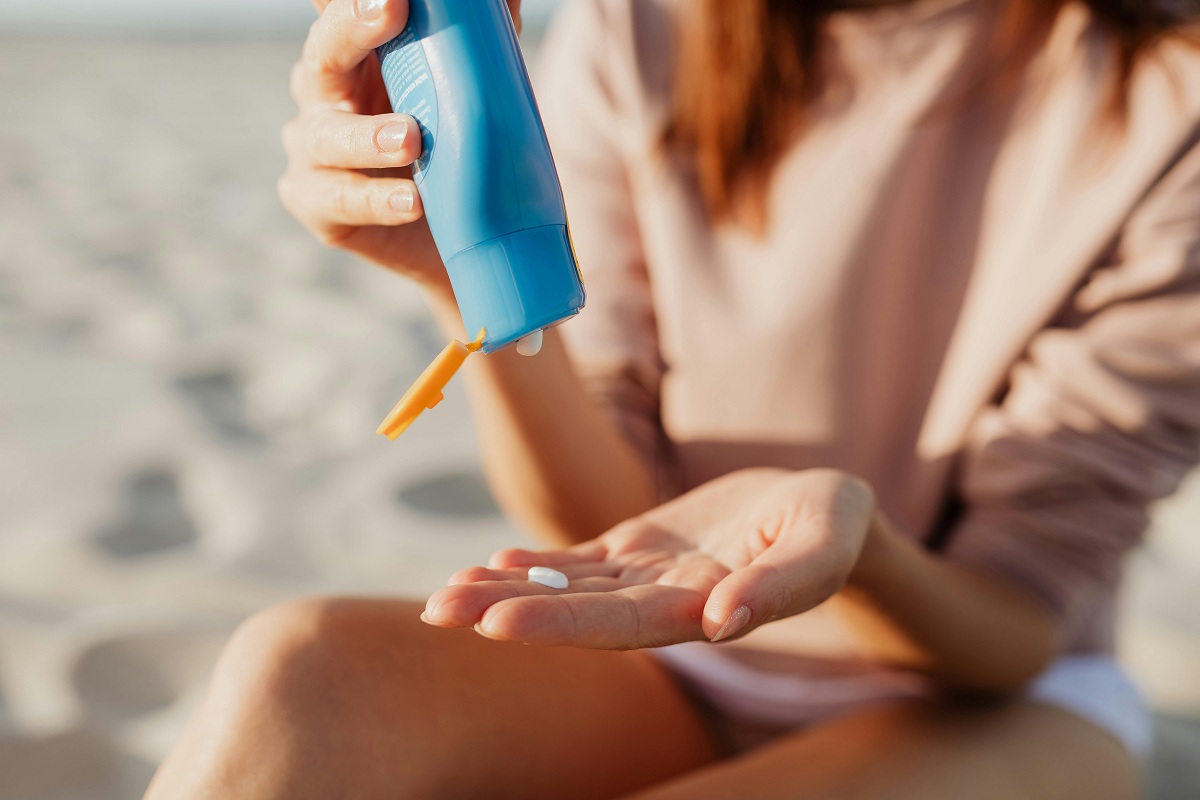
Summer sunlight carries with it an undeniable seduction. Golden skin, the illusion of radiance, and the pleasant fatigue after a day by the sea often create the impression that the body has simply absorbed warmth and light. Yet beneath this visually attractive aftermath, the skin is undergoing a far more complex and often stressful biological process. Even when redness appears mild, ultraviolet exposure launches a cascade of inflammatory reactions, moisture loss, oxidative stress and microscopic structural damage that continue developing long after one has left the beach.
This is precisely why after-sun skin care should never be viewed as an optional beauty ritual reserved only for severe burns. It is, in reality, a necessary restorative protocol that determines how quickly the skin recovers, how deeply dehydration settles into the epidermis, and how strongly long-term signs of ageing will manifest in the future. Proper post-sun care is not only about comfort in the evening after tanning. It is about preserving elasticity, preventing pigmentation, maintaining the integrity of the skin barrier and reducing the cumulative burden of ultraviolet trauma.
What sun exposure does to the skin
To understand why after-sun recovery matters so profoundly, it is important to recognise that sunlight affects the skin on several layers simultaneously, and not all of this damage is immediately visible to the eye.
Ultraviolet B rays act primarily on the epidermis, which is the outermost layer of the skin. These rays are directly associated with sunburn, redness, tenderness and the hot, tight sensation that many people notice several hours after returning indoors. However, the visible redness that appears shortly after exposure is only the beginning of the inflammatory process. Clinical observations published by the American Academy of Dermatology confirm that the full intensity of a sunburn often develops gradually, becoming more pronounced within twelve to twenty four hours after exposure. In other words, skin that appears only slightly pink in the afternoon may become intensely inflamed by the following morning.
Ultraviolet A rays, by contrast, penetrate much deeper into the dermis, where collagen, elastin and the supportive structural fibres of youthful skin reside. This deeper form of radiation is less dramatic in the short term because it may not always produce an obvious burn, yet it is far more insidious over time. Repeated UVA exposure accelerates collagen fragmentation, weakens elasticity, stimulates irregular melanin production and contributes directly to the phenomenon known as photoageing, which includes fine lines, rough texture, loss of firmness and persistent hyperpigmentation.
Dermatological research repeatedly emphasises an important truth often overlooked in summer beauty culture: a tan is not evidence of healthy skin adaptation, but rather a visible sign that the skin has entered a defensive state after DNA injury. The bronzed glow many admire is biologically a stress response. This is why every period spent under intense sun should be followed by deliberate restorative care, regardless of whether severe peeling or blistering occurs.

Immediate help in the first hours after sun exposure
The first few hours after returning from the sun are the most decisive window for limiting inflammation and preventing the burn from progressing further into discomfort and prolonged barrier disruption.
The first priority is controlled cooling. Skin that has absorbed excessive ultraviolet heat remains inflamed internally, even when the external temperature begins to drop. A cool shower, cool wet compresses, or repeated rinsing with comfortably chilled water help reduce local heat accumulation and calm vasodilation. What matters here is moderation. Water should soothe, not shock. Extremely icy applications may provoke additional vascular stress and worsen tissue sensitivity rather than relieve it.
Immediately after cooling, the second urgent task is hydration. Prolonged sun exposure strips the epidermis of water at a surprisingly rapid rate. The skin begins losing not only superficial moisture but also its ability to retain hydration because the lipid barrier becomes compromised. This is why many people notice that after tanning, the face and body feel simultaneously greasy and painfully dry. Internally, fluid reserves are also reduced due to heat and perspiration, so replenishing the body with generous water intake is not merely general wellness advice but a direct support mechanism for cellular repair.
Topical hydration should begin as soon as the skin is gently dried. At this stage, products must be simple, soothing and non-aggressive. Pure aloe vera gel remains one of the most consistently supported ingredients in dermatological after-sun literature because of its cooling, anti-inflammatory and wound supportive properties. In addition to aloe, lightweight fragrance-free moisturising emulsions can help create a temporary water seal over compromised skin.
It is equally essential to understand what should never be done in these first hours. Heavy body oils may feel comforting but often create an occlusive thermal layer that traps residual heat. Mechanical scrubs, exfoliating gloves and loofahs can tear skin that is already microscopically injured. Hot baths intensify inflammation. Tight synthetic clothing creates friction and heat retention, increasing irritation. In the immediate post-sun period, the skin requires the same philosophy one would apply to any inflamed tissue: coolness, softness, hydration and as little disturbance as possible.
Care during the following 48 to 72 hours
Once the initial burning sensation begins to settle, many people mistakenly assume that the skin is recovering on its own and can return to normal routines. In reality, the next two to three days are when restoration either proceeds smoothly or deteriorates into peeling, persistent dryness, itching and long barrier imbalance.
Cleansing should become exceptionally gentle. Foaming cleansers with strong surfactants, body washes with perfume and aggressive facial gels often leave the skin feeling even tighter after use because they remove what little protective lipids remain. During this period, creamy cleansers, micellar fluids and non-stripping emulsions are significantly better choices. The objective is not a deep cleanse but the preservation of every possible fragment of barrier integrity.
Moisturising should become repetitive rather than occasional. This is the stage where ingredients such as hyaluronic acid, panthenol, ceramides and niacinamide become particularly valuable. Hyaluronic acid attracts water into dehydrated superficial layers. Panthenol supports soothing and tissue repair. Ceramides help rebuild the disrupted lipid matrix responsible for keeping irritants out and moisture in. Niacinamide contributes both anti-inflammatory support and improved barrier resilience.
Applying moisturiser onto slightly damp skin greatly improves water retention because it reduces transepidermal moisture evaporation. Instead of one thick application in the evening, several light applications throughout the day are often more effective for continuously distressed skin.
A common temptation during this phase is to interfere with flaking. Peeling skin is visually frustrating, especially after a tan, but it is a natural shedding process of damaged epidermal cells. Attempting to accelerate this renewal with scrubs, exfoliating acids or manual rubbing can expose immature skin beneath, increase sensitivity and in some cases provoke post inflammatory pigmentation. The healthiest approach is patience supported by intensive moisturisation.
Long term care and repairing invisible UVA damage
Even after redness disappears, ultraviolet exposure leaves behind a quieter and more persistent issue: oxidative stress and structural degeneration within the deeper layers of the skin. This means after-sun care should not end once the visible burn fades.
A sophisticated long-term recovery plan begins with antioxidants. Ultraviolet radiation generates free radicals, unstable molecules that continue damaging collagen and cellular membranes after the initial exposure has ended. Vitamin C remains one of the most studied antioxidants in modern skincare because of its dual role in neutralising oxidative stress and supporting collagen synthesis. Used consistently in the weeks following sun exposure, it helps the skin recover brightness while reducing the likelihood of uneven pigmentation.
Retinoids also occupy an important place in post summer repair, though not during the acute burn phase itself. Once sensitivity has subsided completely, carefully reintroducing retinoid-based products helps stimulate cell turnover, improve textural irregularity and support the production of new collagen fibres that ultraviolet radiation gradually weakens.
Equally important is the continuation of strict sunscreen use, even after tanning. Many people believe SPF is primarily preventive before exposure, yet dermatologists repeatedly note that freshly sun stressed skin is more vulnerable to repeated cumulative injury. Daily broad-spectrum sunscreen remains one of the most effective tools for allowing skin to repair instead of repeatedly reentering an inflammatory cycle.
For those who spend substantial time outdoors each year, regular professional skin examinations should also become part of long-term after-sun discipline. Sun exposure is not merely a cosmetic issue linked to wrinkles. Recurrent ultraviolet trauma increases the lifetime burden of cellular mutation, making surveillance an essential part of responsible skincare.
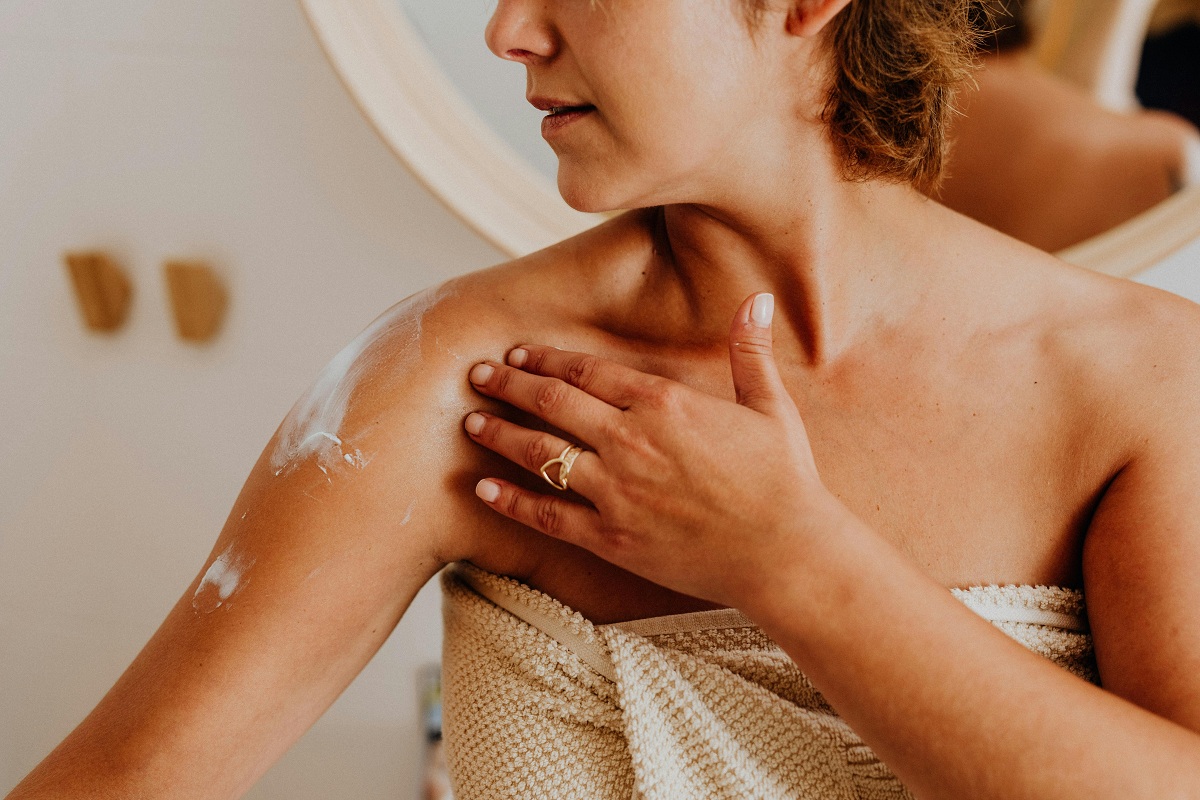
Ingredients that truly work and those that deserve less hype
The after-sun market is filled with tropical fragrances, cooling gels and products wrapped in language that promises instant relief, but only a limited number of ingredients demonstrate consistent functional value.
Among the most effective are aloe vera for calming inflamed skin, panthenol for supporting repair, ceramides for restoring the protective barrier, niacinamide for reducing redness and strengthening resilience, hyaluronic acid for moisture replenishment, and vitamin C for longer term antioxidant defence. These ingredients address actual physiological needs rather than simply creating a temporary sensation of freshness.
By contrast, many natural oils marketed as miracle post sun remedies offer mostly superficial softness rather than targeted therapeutic action. Grapeseed oil, coconut oil and shea butter can improve the feeling of dryness, but they do not actively reduce inflammation or repair ultraviolet injury in the same clinically meaningful way. They should be viewed as supplementary emollients, not primary treatment.
Certain ingredients are best avoided entirely after a burn. Menthol and camphor may create a misleading cooling sensation while increasing irritation. Alcohol based lotions intensify dehydration. Strong fragrances can sting sensitised skin. Acid exfoliants and active retinol formulas can worsen barrier compromise during the healing phase.
The beauty narrative surrounding summer often glorifies bronzed skin, but truly healthy skin after sun exposure is not defined by the intensity of colour achieved on the beach. It is defined by how intelligently that skin is treated once the sunlight is gone.
A luminous complexion in August is rarely the result of tanning alone. It is the result of disciplined cooling, strategic hydration, anti-inflammatory support, barrier repair and long-term antioxidant maintenance. Skin remembers every hour spent under ultraviolet light, even when the mirror shows only a temporary golden glow. The rituals performed after sun exposure therefore matter just as much as the sunscreen applied before it.
In modern skincare, recovery is no longer a minor afterthought. It is the invisible luxury that determines whether summer leaves behind radiance or regret.
Sources
Pullar, J. M. et al. (2017). The Roles of Vitamin C in Skin Health. Nutrients. doi.org/10.3390/nu9080866