

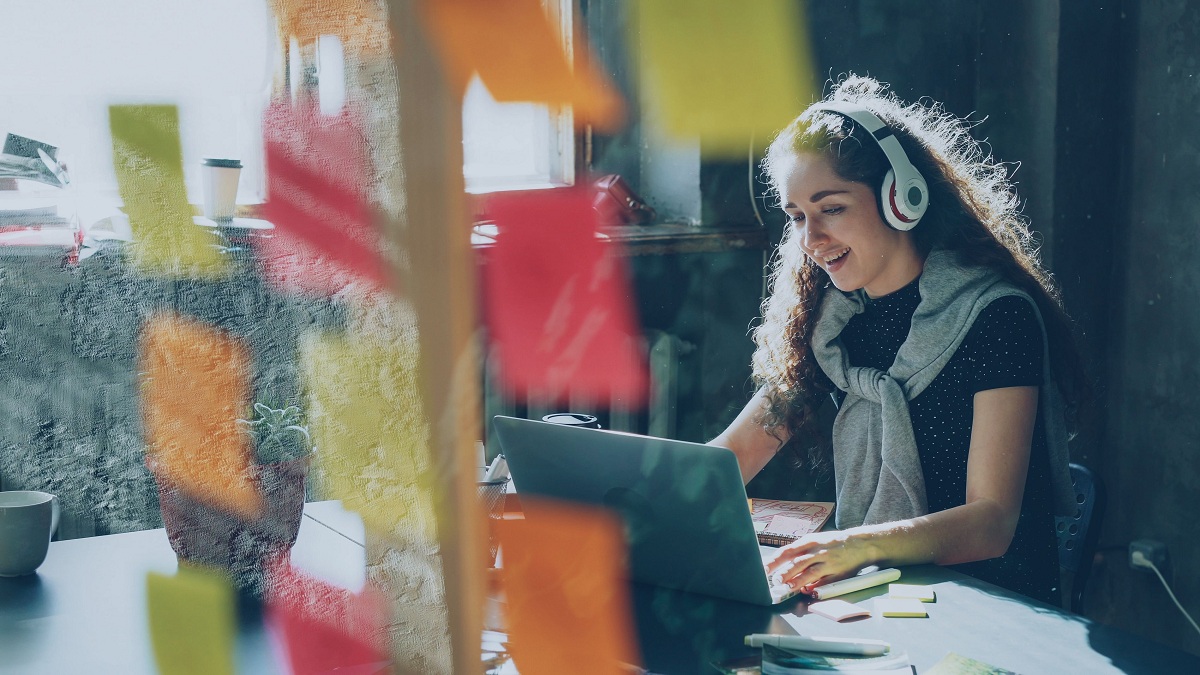
Not long ago, the idea of working from a seaside café in Portugal, answering emails from a sunlit terrace in Bali, or joining a business meeting while overlooking the mountains of Georgia seemed like a fantasy reserved for a select group of adventurous freelancers and technology professionals. The image of the digital nomad belonged to a niche world inhabited by people willing to exchange predictability for freedom and comfort for discovery. Yet within a remarkably short period of time, this once unconventional lifestyle has evolved into a global movement that continues to reshape how people think about work, success and personal fulfillment.
The transformation began gradually, driven by advances in technology and the growing accessibility of remote communication tools. Then came the profound disruption of the early 2020s, when millions of professionals around the world discovered that productivity was no longer tied to a specific office, desk or city. What was initially viewed as a temporary adjustment soon became a permanent shift in professional culture. Employers learned that results mattered more than physical presence, while employees realized that work could coexist with a far greater degree of geographical freedom than previous generations had ever imagined.
Today, the digital nomad lifestyle is no longer a fringe phenomenon. It has become a legitimate and increasingly attractive path for professionals across a wide range of industries. Women, in particular, have emerged as a powerful and growing presence within this global community. The ability to create a flexible schedule, design a more intentional life and explore different cultures while maintaining a successful career has opened possibilities that would have seemed unattainable only a decade ago.
Yet despite the beautiful images often shared on social media, the reality of life as a digital nomad is far more nuanced than an endless sequence of sunsets, beachside work sessions and spontaneous adventures. Beneath the aesthetic appeal lies a lifestyle that demands planning, discipline, resilience and a clear understanding of both its rewards and its challenges.
Who is a digital nomad?
At its core, a digital nomad is someone who earns an income remotely while living independently of a fixed geographical location. Unlike a tourist who travels temporarily before returning home, or an expatriate who relocates permanently to another country, a digital nomad occupies a unique space somewhere between the two. Home becomes a more fluid concept, defined less by geography and more by personal routines, relationships and professional stability.
This way of life is often associated with technology professionals, but the reality is considerably broader. Software developers and engineers certainly remain a significant part of the remote workforce, yet they are joined by writers, editors, designers, translators, consultants, educators, marketers, social media strategists, project managers and countless other specialists whose work can be performed from virtually anywhere with a reliable internet connection.
Moreover, the expansion of remote employment has made the lifestyle accessible not only to freelancers and entrepreneurs but also to individuals working within traditional corporate structures. Increasing numbers of organizations now offer fully remote positions, allowing employees to build international lifestyles without sacrificing career advancement or financial security.
The modern digital nomad is therefore not defined by a specific profession but by a particular relationship with work and place. It is a person who has chosen mobility without abandoning ambition and who views the world not as an occasional destination but as an evolving backdrop to everyday life.
The first steps toward a location independent life
The dream of working from anywhere often begins with a simple question: Is my profession compatible with remote work?
For many people, this is the most important starting point. Some careers naturally lend themselves to geographical flexibility, while others require a more deliberate transition. In cases where physical presence remains essential, developing complementary skills can create new opportunities for remote income streams. Learning digital marketing, content creation, project management, online education or other location independent competencies can gradually open doors that previously seemed closed.
Once remote work becomes feasible, attention must shift toward financial preparation. One of the most common misconceptions surrounding the digital nomad lifestyle is that it requires little planning. In reality, successful nomads are often exceptionally organized individuals who understand the importance of financial security.
Building a substantial emergency fund before embarking on long term travel provides both stability and peace of mind. Unexpected medical expenses, transportation disruptions, equipment failures or temporary reductions in income can occur at any time. A financial cushion covering several months of living expenses transforms these challenges from potential crises into manageable inconveniences.
Choosing a first destination also deserves thoughtful consideration. While social media frequently highlights visually stunning locations, practical factors often determine whether a destination will support a sustainable lifestyle. Reliable internet access, safety, healthcare infrastructure, affordability and access to a supportive international community frequently prove more important than scenic views alone.
For newcomers, destinations such as Lisbon, Tbilisi, Chiang Mai, Tallinn, Bali and Medellín continue to attract remote workers because they combine modern infrastructure with relatively accessible living costs and vibrant international communities. These cities provide an environment where professional productivity and cultural exploration can comfortably coexist.
The infrastructure behind the freedom
Freedom, contrary to popular belief, is rarely spontaneous. The most successful forms of freedom are supported by systems, habits and practical tools that make independence sustainable over time.
For digital nomads, technology serves as the foundation upon which the entire lifestyle rests. Reliable internet connectivity remains the single most important requirement. Before committing to accommodation, experienced remote workers often research internet speeds, maintain backup mobile data plans and carry portable connectivity solutions to ensure uninterrupted access during important meetings or deadlines.
Equally important are the spaces in which work takes place. While photographs of laptops beside swimming pools remain popular online, most professionals quickly discover that long term productivity requires environments designed for concentration and structure. Co working spaces have therefore become an essential component of the digital nomad ecosystem.
These spaces offer much more than desks and internet access. They create opportunities for professional networking, collaboration and social connection. For individuals who spend months away from traditional workplaces, co working communities often become a source of friendship, support and inspiration.
Insurance represents another crucial but frequently underestimated element of a sustainable nomadic lifestyle. Comprehensive international coverage can protect against medical emergencies, travel disruptions and equipment loss. While it may seem like an additional expense, it often becomes one of the most valuable investments a traveler can make.
The same principle applies to taxation and legal compliance. International mobility creates opportunities, but it also introduces complexity. Spending extended periods in different countries may generate tax obligations that vary according to local regulations and individual circumstances. Professional advice from experts familiar with international taxation is therefore not a luxury but an essential safeguard against costly mistakes.
The psychological reality behind the dream
Perhaps the most overlooked aspect of the digital nomad lifestyle is its emotional dimension. The freedom to move endlessly from one destination to another can feel exhilarating in the beginning. Every city presents new possibilities. Every country offers unfamiliar experiences. Every arrival carries the excitement of discovery.
Yet over time, many travelers encounter an unexpected challenge. Human beings do not thrive solely on novelty. They also require familiarity, continuity and meaningful social bonds. Loneliness is one of the most frequently discussed experiences within digital nomad communities. Even individuals who are highly independent may struggle with the absence of stable friendships, family proximity and long-term social routines. Constant movement can make relationships difficult to maintain and even harder to deepen.
There is also a phenomenon often described as novelty fatigue. The first few destinations may feel extraordinary, but eventually the excitement of constant change begins to diminish. Airports, hotels and temporary apartments can start to feel interchangeable. Experiences that once seemed remarkable become routine.
For this reason, many experienced digital nomads have shifted away from rapid travel. Rather than moving every few days or weeks, they choose slower and more intentional patterns of exploration. Remaining in one location for several months allows time to establish routines, build friendships, develop a sense of belonging and experience a destination beyond its tourist attractions. In many ways, the most successful digital nomads are not those who travel the fastest but those who travel with the greatest sense of balance.
The rise of digital nomad visas
As remote work has become increasingly mainstream, governments around the world have begun adapting to this new reality. Over the past several years, numerous countries have introduced specialized visa programs designed specifically for remote professionals. These visas recognize a growing category of individuals who earn income from abroad while contributing to local economies through housing, dining, transportation and everyday spending.
Countries such as Portugal, Estonia, Greece, Croatia, Costa Rica, Barbados and the United Arab Emirates have become particularly attractive destinations for remote workers seeking legal pathways to extended residence. Although specific requirements vary, applicants are generally expected to demonstrate stable income, maintain health insurance coverage and satisfy standard immigration criteria.
The emergence of these programs reflects a broader cultural shift. Governments increasingly recognize that talent and productivity are no longer confined by national borders in the same way they once were. The future of work is becoming more mobile, more international and more flexible than ever before.
A new definition of freedom
The digital nomad lifestyle is not suitable for everyone, nor does it need to be. Some people find deep fulfillment in rootedness, community and long-term stability within a single place. Others feel energized by movement, exploration and the opportunity to continuously redefine their surroundings.
Neither path is inherently superior. What matters is alignment between lifestyle and personal values. For those who are drawn to it, however, the digital nomad journey represents something far greater than travel. It is an experiment in autonomy, a reimagining of traditional career structures and a conscious decision to design life according to individual priorities rather than inherited expectations.
At its best, this way of living offers more than beautiful destinations and memorable experiences. It provides a rare opportunity to discover how much of identity is tied to place and how much can flourish when the boundaries of geography begin to disappear.
In a world where technology continues to dissolve traditional limitations, the digital nomad is no longer a symbol of escape. Instead, it has become a symbol of possibility, illustrating how work, freedom and personal growth can coexist in ways that previous generations could scarcely imagine.
Sources:
- MBO Partners. The State of Independence in America: Digital Nomad Report, 2024.
- Müller, A. “The Digital Nomad Lifestyle.” Journal of Work and Organisational Psychology, 2022.
- Global Wellness Institute. Wellness Tourism Report 2024.
- Nomad List. Global Digital Nomad Data, 2025.


