

Summer always changes not only the atmosphere around us, but also the internal rhythm of the body itself. We begin to eat differently, move more, spend longer outdoors and unconsciously alter our daily habits. Fresh berries replace heavy desserts, evening walks replace long winter evenings indoors, and the body gradually adapts to a completely different season. Against this backdrop, the topic of vitamins and supplements becomes especially relevant. Some people continue taking entire complexes out of habit, while others believe that summer sunshine and seasonal produce are enough to cover every nutritional need. As is often the case in wellness culture, the truth lies somewhere in between.
The supplement industry has long become one of the most profitable and influential sectors in the global beauty and wellness market. Beautiful packaging, promises of eternal energy, glowing skin and flawless immunity make supplements feel almost essential to modern life. Every season introduces a new “miracle” ingredient that supposedly transforms health overnight. Yet evidence-based medicine speaks far more carefully and precisely. For a healthy person with a balanced and varied diet, many supplements are not only unnecessary, but sometimes completely meaningless.
At the same time, there are deficiencies that genuinely deserve attention. There are nutrients that modern lifestyles make difficult to obtain naturally, even with an excellent diet. There are also situations where stress, heat, intense activity or limited sun exposure increase the body’s demand for specific vitamins and minerals. Summer has its own physiological nuances, and understanding them helps protect not only health, but also your budget. After all, thoughtful wellness is not about buying everything marketed as healthy. It is about understanding what your body truly needs.
What changes in the body during summer?
Summer is not simply a warmer version of spring. From a biological perspective, the body enters an entirely different mode of functioning. Longer daylight hours affect circadian rhythms, sleep quality, hormone production and overall energy levels. Dietary patterns shift naturally toward lighter foods, hydration becomes more important and physical activity often increases without us even noticing. One of the most significant changes concerns vitamin D synthesis. Sunlight, particularly UVB radiation, stimulates the production of vitamin D in the skin. During the summer months, many people are capable of maintaining healthier vitamin D levels naturally through moderate sun exposure. Spending approximately fifteen to thirty minutes outdoors with the face and arms uncovered may support this process. However, reality is more complicated than it appears in theory. Modern lifestyles still keep millions of people indoors for most of the day. Office work, urban living, heavy SPF use and darker skin tones can all reduce vitamin D synthesis considerably. This means that even in countries with abundant sunshine, deficiency remains surprisingly common.
Another major seasonal shift involves hydration and electrolyte balance. During hot weather, the body loses far more than water through sweat. Essential minerals such as magnesium, sodium, potassium and calcium are also depleted. This becomes especially relevant for people who exercise regularly, spend long hours outdoors or live in particularly hot climates. Persistent fatigue, muscle cramps, headaches and irritability during summer are sometimes linked not to exhaustion alone, but to subtle electrolyte imbalances.
Summer nutrition also changes dramatically in positive ways. Seasonal fruits and vegetables become more abundant, colourful and nutrient dense. The body naturally receives higher amounts of vitamin C, antioxidants, carotenoids and folate through fresh produce. A bowl of berries in July contains not only flavour, but an impressive concentration of protective compounds that support skin, immunity and cellular health. At the same time, increased activity levels create higher nutritional demands. More walking, travel, swimming, workouts and outdoor movement place additional pressure on muscles and recovery systems. This is why nutrients involved in energy metabolism and muscle function, particularly magnesium and protein, become especially important during warmer months.

What is worth checking and taking if needed
Vitamin D
Among all modern deficiencies, vitamin D remains one of the most widespread and clinically significant. Despite the romanticised idea that summer sunshine solves everything, deficiency continues to affect people even in sunny regions. The reasons are simple and surprisingly modern. Many people spend the majority of daylight hours indoors, commute by car, avoid direct sun exposure or apply high SPF sunscreen consistently. Vitamin D plays a vital role in immune regulation, bone density, muscle function and mood stability. Low levels are associated with fatigue, muscle weakness and increased susceptibility to infections. Instead of taking supplements blindly, the most reasonable approach is testing blood levels of 25(OH)D. This provides a clear understanding of whether supplementation is actually needed and in what dosage. Wellness today increasingly values precision over trends. A personalised approach based on testing is far more intelligent than following generalized supplement advice from social media.
Magnesium
Magnesium is often called the “anti-stress mineral,” although its functions extend far beyond emotional wellbeing. It participates in more than three hundred biochemical reactions within the body and influences sleep quality, nervous system regulation, muscle recovery and energy production. Summer heat increases magnesium loss through perspiration, which explains why some people feel more physically drained during hot months despite being active and otherwise healthy. Signs of insufficient magnesium may include muscle tension, poor sleep, anxiety, fatigue and headaches. Fortunately, many elegant summer foods naturally contain magnesium. Almonds, cashews, pumpkin seeds, leafy greens, avocado and even high quality dark chocolate are excellent dietary sources. If supplementation becomes necessary, forms such as magnesium glycinate and magnesium malate are generally considered among the best tolerated and most bioavailable.
Omega 3 fatty acids
Omega 3 remains one of the most evidence supported supplements in modern nutrition science. These fatty acids contribute to cardiovascular health, support cognitive function and help regulate inflammatory processes within the body. During summer, omega 3 may become particularly valuable because increased sun exposure and environmental stress can intensify oxidative damage within skin cells. Omega 3 also supports skin barrier function, which becomes especially relevant during hot weather and prolonged UV exposure. The difficulty is that many people simply do not consume enough oily fish to meet optimal intake levels. Unless salmon, sardines, mackerel or herring appear on the menu several times per week, supplementation may be worth discussing with a healthcare professional.
What is usually unnecessary in summer
High dose vitamin c
Vitamin C has become almost symbolic of immunity culture. Many people continue taking extremely high doses throughout the year under the assumption that “more” automatically means “better.” In reality, the body’s requirements are relatively moderate, especially during summer when fresh produce intake naturally increases. Berries, citrus fruits, kiwi, parsley and red peppers already provide abundant vitamin C during warmer months. Excessive supplementation often offers no additional benefit because surplus vitamin C is excreted by the kidneys. Very high doses may even provoke digestive discomfort and increase the risk of kidney stone formation in susceptible individuals. This does not mean vitamin C lacks value. On the contrary, it is essential for collagen synthesis, antioxidant protection and immune health. The key difference lies in obtaining adequate amounts rather than pursuing unnecessary megadoses.
Universal multivitamins
Multivitamin complexes often create the comforting illusion of “covering all bases.” Yet scientific evidence surrounding their benefits remains mixed and far less impressive than marketing campaigns suggest. For people who eat a diverse diet rich in vegetables, protein, healthy fats and whole foods, broad multivitamin formulas frequently provide little measurable advantage. Some nutrients can even accumulate excessively when taken unnecessarily over long periods. Vitamin A, for example, may become toxic at high doses. A far more refined approach involves identifying real deficiencies through testing and correcting them specifically instead of consuming large combinations of nutrients the body may not need.
Collagen powders
Collagen supplements have become almost inseparable from modern beauty culture. They promise firmer skin, stronger hair and younger looking features in elegant pastel containers designed for social media aesthetics. Yet scientific discussions surrounding collagen supplementation remain considerably more nuanced than advertising suggests. When consumed, collagen is broken down into amino acids during digestion. The body then redistributes these amino acids according to its own priorities rather than directing them exclusively toward skin rejuvenation. This means collagen supplementation does not function as magically or directly as beauty marketing often implies. Much stronger evidence supports foundational habits instead. Adequate protein intake, sufficient vitamin C, proper sleep and daily UV protection remain among the most reliable strategies for preserving collagen naturally and protecting skin quality long term.
Food first: summer’s greatest luxury
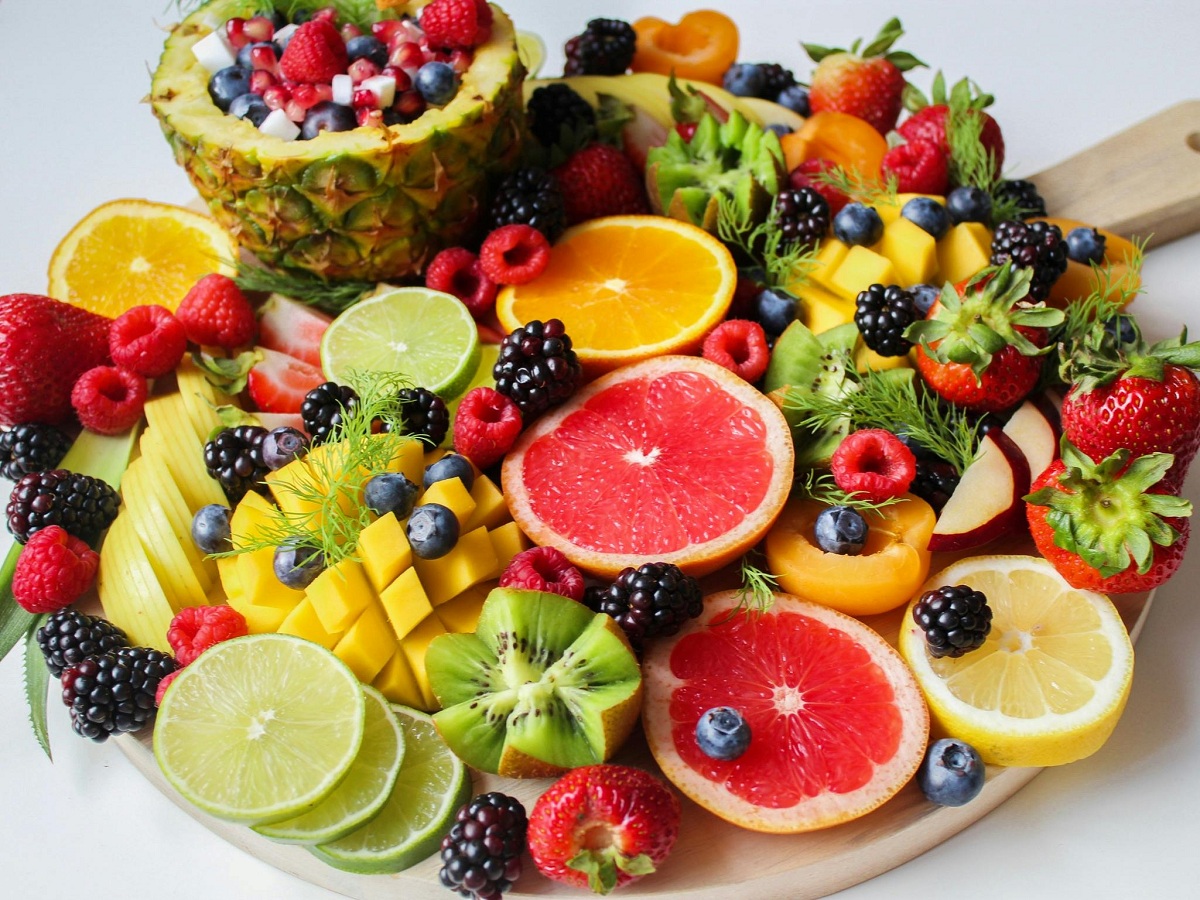
Perhaps the most beautiful aspect of summer wellness is that nature itself becomes more generous. Markets overflow with vibrant produce, herbs smell fresher, berries become sweeter and meals naturally feel lighter and more nourishing. This is precisely why summer should focus less on capsules and more on real food. Seasonal nutrition provides not only vitamins, but fibre, antioxidants, phytonutrients and complex compounds that isolated supplements simply cannot replicate fully. Strawberries, blackcurrants, citrus fruits and kiwi support vitamin C intake beautifully. Tomatoes, apricots, carrots and mango provide beta carotene, a precursor to vitamin A associated with skin health and antioxidant protection. Leafy greens and avocado contribute folate, while bananas and potatoes help replenish potassium lost through perspiration. Magnesium rich foods such as nuts, seeds and dark leafy vegetables fit naturally into summer meals and snacks. Olive oil, sunflower seeds and almonds provide vitamin E, another important antioxidant that supports skin resilience during periods of increased sun exposure. True wellness rarely looks extreme. More often, it resembles balance, consistency and simplicity executed beautifully.

Practical guidance before buying supplements
Before spending money on trendy wellness products, it is worth beginning with objective information. Blood testing provides clarity that marketing cannot. A basic annual panel including vitamin D, ferritin, B12 and a complete blood count often reveals far more about health status than generic supplement recommendations ever could. Quality also matters enormously. The supplement industry is regulated far less strictly than pharmaceutical medicine, which means purity and dosage accuracy vary significantly between brands. Choosing manufacturers with independent certification standards is one of the smartest ways to minimise risk.
Most importantly, supplements should never replace professional medical advice. This becomes especially critical for individuals with chronic conditions, pregnant women or those taking prescription medications. Certain supplements interact with medications and may produce unintended consequences when combined improperly. Modern wellness culture often encourages self-diagnosis disguised as empowerment. Yet genuine self-care is not about treating the body like a trend. It is about respecting it enough to make informed, careful and evidence-based decisions. In the end, summer health is less about consuming more and more about understanding what is truly necessary. Sunlight, movement, nourishing meals, hydration and rest still remain the foundation of wellbeing. Supplements can support that foundation when needed, but they should never replace it.
İmportant disclaimer: this article is for educational purposes. Please consult a doctor before taking any supplements. Self-medication can be dangerous.