

Disclaimer: This article is for educational purposes only and does not replace medical advice. Please consult a doctor if you have concerns about your health.
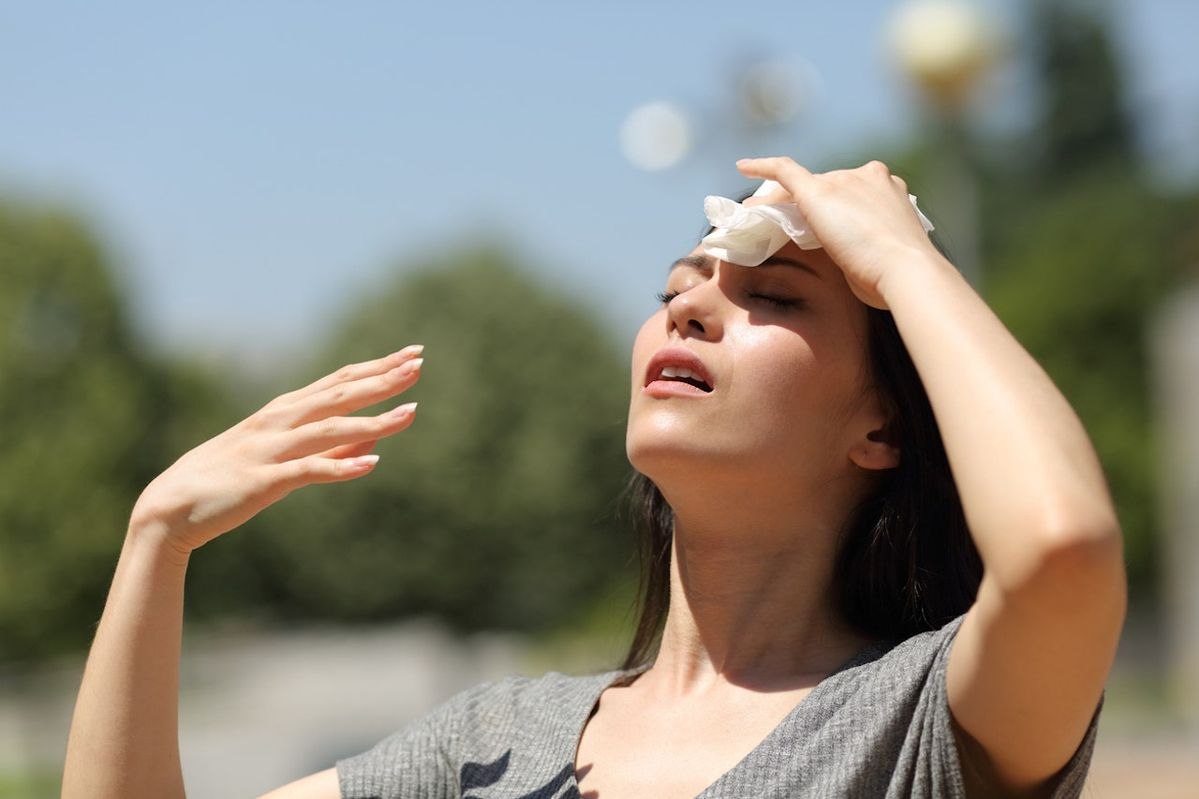
Summer arrives with a sense of ease, lightness and long luminous days that feel almost cinematic in their beauty. Yet behind the aesthetic pleasure of warm air and sun drenched streets, heat is not simply a seasonal comfort. For the human body it is a complex physiological challenge that requires constant internal regulation, adaptation and compensation.
Most people perceive heat as a temporary inconvenience. A glass of cold water, a shaded place, a slower pace of movement, and the discomfort seems manageable. However the biological reality is far more intricate. The body is continuously negotiating with the external environment to maintain internal stability, and when temperatures rise significantly, this negotiation becomes a demanding process that affects nearly every system.
The difference between feeling warm and experiencing dangerous overheating is not always obvious. It can develop gradually, quietly, and in some cases unexpectedly. Understanding how the body responds to heat is not only a matter of comfort, but a matter of health awareness and prevention.
This guide explores how heat affects the human body, which physiological mechanisms are activated, who is most vulnerable, and how to maintain safety and balance during the hottest months of the year.
What happens in the body at high temperatures
The human body is designed to maintain a stable internal temperature, typically within the range of 36.6 to 37.2 degrees Celsius. This internal balance is essential for enzymatic reactions, cardiovascular stability, neurological function and overall cellular health.
When the external environment becomes hot, the body activates its thermoregulation system. The primary mechanism of cooling is sweating. As sweat evaporates from the surface of the skin, it removes excess heat and helps lower internal temperature.
However this process has a cost. Sweat is not composed of water alone. It also contains essential electrolytes such as sodium, potassium and magnesium. These minerals are fundamental for muscle contraction, nerve signaling and heart rhythm stability. As a result, prolonged exposure to heat can gradually disrupt electrolyte balance, especially if fluids are not replenished correctly.
At the same time, the cardiovascular system becomes significantly more active. Blood is redirected toward the skin in an effort to release heat, which increases the workload on the heart. When this redistribution is combined with fluid loss, overall blood volume can decrease. For individuals with cardiovascular conditions this creates an additional strain that should not be underestimated.
The nervous system is equally sensitive to heat. Elevated body temperature can influence cognitive performance, attention span, emotional stability and reaction speed. People may experience irritability, reduced concentration and a general sense of mental fatigue. These changes are not psychological exaggerations but measurable physiological responses of the brain under thermal stress.

Degrees of overheating from mild to dangerous
Heat related conditions are generally categorized according to severity, and understanding these stages is essential for timely response.
Heat cramps are the mildest form and often appear during physical activity in hot environments. They manifest as painful muscle spasms, most commonly in the legs or abdominal region. These cramps are primarily caused by electrolyte depletion. The appropriate response includes rest in a cool environment and replenishment of fluids with electrolytes.
Heat exhaustion represents a more advanced stage of overheating. It is characterized by heavy sweating, dizziness, fatigue, nausea, headache, pale skin and an accelerated pulse. At this stage, the body is struggling to maintain thermal balance. The skin may feel cool and moist due to persistent sweating. Immediate action is required, including moving to a cooler environment, resting in a lying position and drinking fluids gradually.
Heat stroke is a medical emergency and requires urgent attention. It occurs when the body temperature rises above 39 degrees Celsius and natural cooling mechanisms begin to fail. One of the most concerning signs is the reduction or complete cessation of sweating. The skin may become hot and dry. Confusion, disorientation and loss of consciousness can occur as the nervous system becomes affected by extreme heat. Immediate emergency medical assistance is essential in this condition.
Who is most at risk
Although heat affects everyone, certain groups are significantly more vulnerable due to physiological or medical factors.
- Older adults often experience reduced efficiency in thermoregulation. The sensation of thirst may also become less sensitive with age, which increases the risk of unnoticed dehydration.
- Young children are particularly sensitive because their bodies have a larger surface area relative to body mass. This means they absorb heat more quickly and may struggle to communicate discomfort clearly.
- Individuals with chronic illnesses such as cardiovascular disease, diabetes or kidney disorders face additional challenges during hot weather. Their bodies already operate under physiological stress, and heat intensifies this burden.
- People taking certain medications, including diuretics, antidepressants, antihypertensive drugs and antipsychotic medications, may experience altered fluid balance or impaired temperature regulation. Medical guidance is strongly recommended for these individuals during hot seasons.
- Pregnant women also require additional care, as pregnancy naturally increases cardiovascular demand and heat can amplify fatigue and circulatory strain.

How to protect yourself from heat practical rules
Protection from heat is not about a single action but about consistent habits that support the body’s natural cooling systems.
- Hydration is one of the most important factors. Waiting until thirst appears is not sufficient, as thirst is already an early indicator of dehydration. In hot weather adults generally require between 2 to 2.5 litres of fluids daily, and more in cases of physical activity or prolonged exposure to sun. Water remains the primary source of hydration, while natural electrolyte drinks such as lightly salted water with lemon or coconut water can provide additional support. Alcohol and excessive caffeine intake should be limited, as they contribute to fluid loss.
- Timing of activity plays a crucial role. Physical exertion, walking and outdoor activities are best scheduled during early morning hours before 10:00 or in the evening after 18:00. The period between 11:00 and 17:00 is typically associated with peak solar intensity and the highest thermal stress on the body.
- Clothing choices can significantly influence body temperature regulation. Light coloured garments reflect sunlight more effectively, while natural fabrics such as cotton and linen allow the skin to breathe. Loose fitting clothing supports air circulation. A protective hat becomes essential during extended outdoor exposure.
- Cooling techniques are simple but effective. A cool shower can help reduce body temperature, although extremely cold water should be avoided as sudden temperature changes may stress the circulatory system. Applying a damp cloth to areas such as the neck or wrists can provide relief. Air conditioned environments are particularly valuable during peak heat hours.
- Nutrition also plays a role in thermal comfort. During hot weather the digestive system naturally slows down. Lighter meals that include high water content foods such as cucumbers, watermelon, tomatoes and fresh fruit are easier for the body to process. Heavy, fatty and overly hot meals are better avoided during the hottest part of the day.
Symptoms that require immediate medical attention
Certain signs indicate that heat exposure has progressed beyond safe limits and requires urgent attention.
A body temperature above 39 degrees Celsius in a hot environment is a serious warning sign. The absence of sweating despite high temperatures is particularly concerning. Confusion, disorientation or altered mental state suggests that the nervous system is affected. Very dark urine can indicate significant dehydration. A rapid heartbeat combined with dizziness and nausea signals cardiovascular strain. Loss of consciousness requires immediate emergency response. If any of these symptoms appear, it is essential not to delay seeking medical help.
Disclaimer: The information in this article is intended for general educational purposes and does not replace professional medical advice. In cases of suspected heat stroke or severe symptoms, emergency medical services should be contacted immediately.
Sources:
- World Health Organization — Heat and health — who.int/news-room/fact-sheets/detail/climate-change-heat-and-health
- NHS — Heat exhaustion and heatstroke — nhs.uk/conditions/heat-exhaustion-heatstroke
- Centers for Disease Control — Extreme Heat — cdc.gov/extremeheat