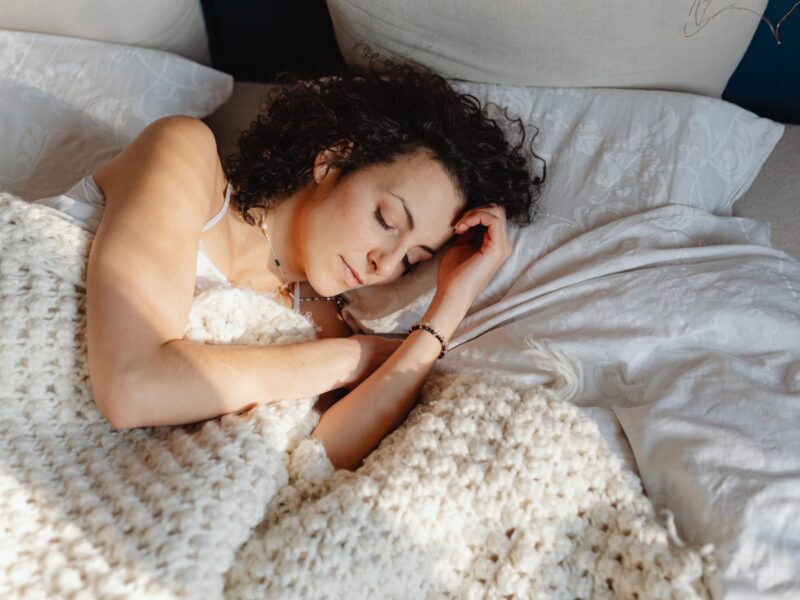

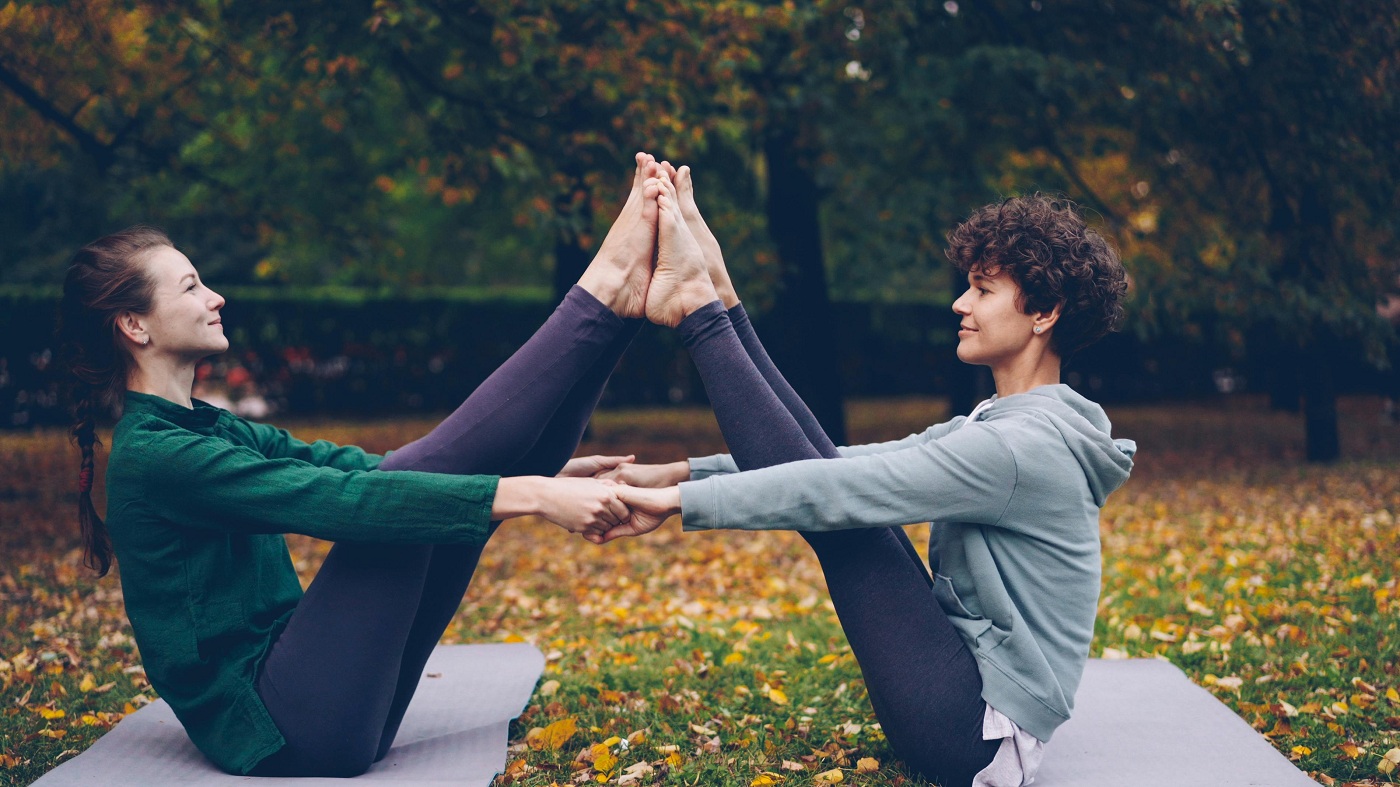
Pilates and yoga are two of the most popular forms of women’s fitness and yet one of the biggest sources of confusion. What do they each offer, how are they different, and how do you know which one is right for you? Pilates or yoga? Or perhaps both? Or maybe neither? In 2026 both practices are enjoying a renaissance. Pilates, especially reformer Pilates, has become one of the most talked-about trends in beauty and wellness, while yoga has never gone away and continues to evolve. Yin yoga, yoga nidra and somatic yoga are building ever larger audiences and attracting new generations of practitioners. The central question remains the same. What is right for you depends entirely on your goals, your body and what you want to achieve. In this article monfamille.com redaction break down the differences, the benefits and how to choose the perfect practice for your needs.
What Is the Difference
Pilates is a movement system created by Joseph Pilates in the early twentieth century. Its focus is on strengthening deep core muscles, improving posture and movement control. The exercises are precise, often slow, and require concentration. Pilates can be practiced on a mat or on a reformer, a specialised spring-resistance machine that adds challenge and variety.
Yoga is a practice with thousands of years of history. It encompasses physical postures, breathing techniques and meditation. Styles range from dynamic practices such as Ashtanga and hot yoga to slow and restorative practices such as Yin yoga and yoga nidra.
The key difference is that Pilates is primarily physical, concentrating on muscles and body structure, whereas yoga is holistic, incorporating breath, mind and emotional state alongside physical movement.

Pilates: what it is best for
Core and postural strength. Pilates is unmatched for working the deep abdominal, back and pelvic floor muscles. If you have chronic back pain, poor posture or core weakness after pregnancy, Pilates is highly effective.
Rehabilitation and injury prevention. Pilates was originally developed for medical use and controlled, precise movements help protect joints and the spine.
Improving posture and reshaping the body. Consistent practice changes how you stand, sit and move, creating the appearance of elongation and improved silhouette without necessarily losing weight.
Postnatal recovery. Pilates is recommended for restoring pelvic floor and core strength after childbirth.
Yoga: what it is best for
Stress reduction and nervous system support. Slow forms of yoga such as Yin and restorative yoga activate the parasympathetic nervous system and have a measurable effect on stress.
Flexibility and mobility. If your aim is to become more supple and improve joint mobility, yoga is the more effective choice.
Mental and spiritual development. Meditation, breathwork and philosophy are integral parts of yoga, allowing work with the mind and inner state alongside the body.
Variety to suit different goals. Energy boosting practices like Ashtanga or Power yoga, calming restorative sessions, or Hatha yoga for gentle movement: yoga offers a spectrum of possibilities for every intention.
What to Choose Based on Your Goal
| Your Goal | Recommended Practice |
| Back pain or weak core | Pilates |
| Chronic stress and anxiety | Yoga, especially Yin or restorative |
| Postnatal recovery | Pilates |
| Flexibility and joint mobility | Yoga |
| Improved posture | Pilates |
| Weight loss | Both, ideally with regular cardio |
| Meditation and mind work | Yoga |
| Rehabilitation after injury | Pilates with guidance from an instructor |
| Curious about trends | Reformer Pilates |
| Limited time for fast results | Pilates for precision and speed |
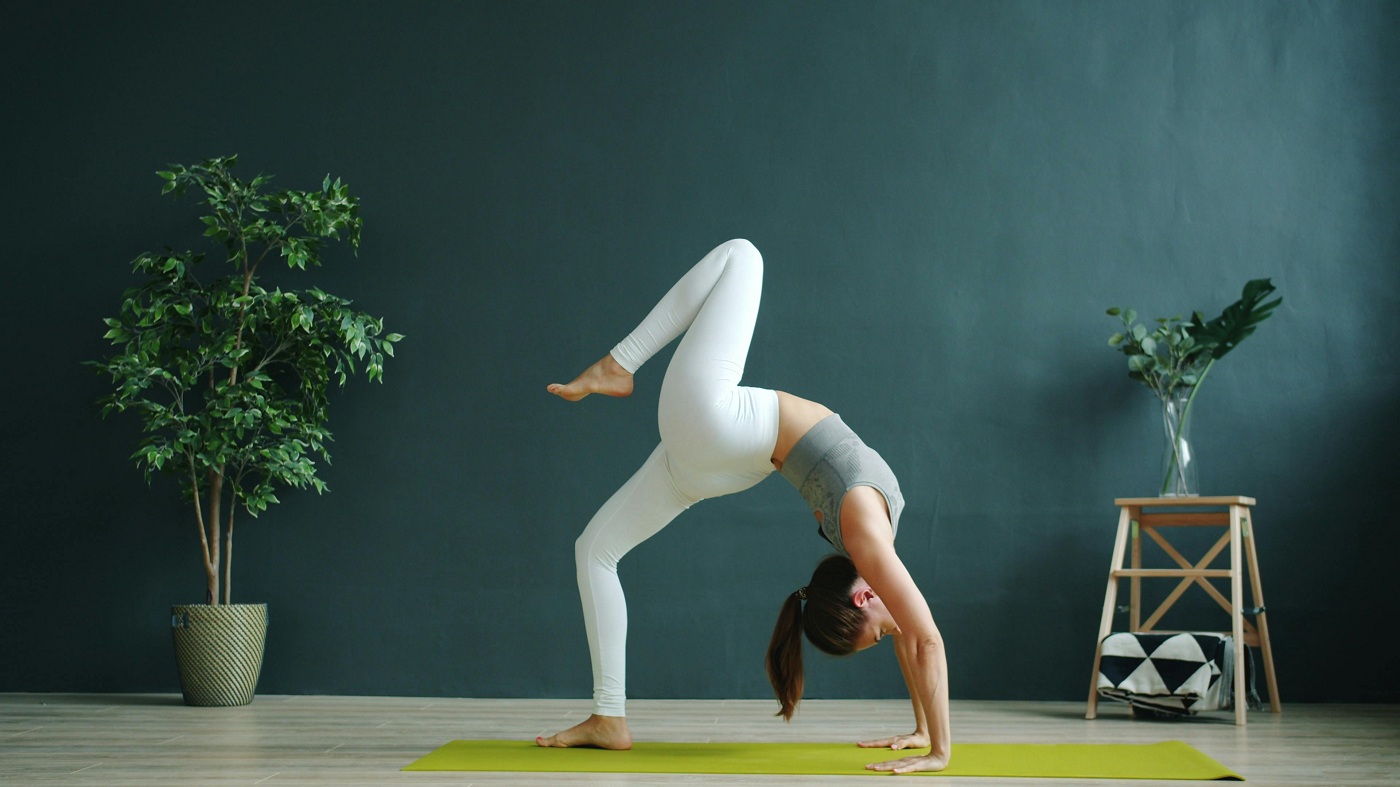
Reformer Pilates: why it is trending in 2026
Reformer Pilates uses a specialised machine with a spring resistance system that allows deep muscle work while protecting joints. Results are often faster than mat Pilates and the adjustable resistance makes the workout suitable for both beginners and advanced practitioners. While it is highly effective, it requires access to a machine, either in a studio or at home, and instruction is strongly recommended, especially in the beginning.
Can you combine them?
Yes, and for many women this combination is ideal. Pilates can be used to strengthen the core and improve posture while yoga provides relaxation and nervous system support. A common approach is to practice Pilates two to three times per week and complement it with one or two yoga sessions focused on Yin or restorative styles. This combination allows the benefits of both practices to work in harmony. There is no practice that is universally better. What matters most is choosing the one that aligns with your current goals, body and lifestyle. If your back is weak, start with Pilates. If stress is weighing you down, begin with Yin yoga. If you want both, combining them is often the best approach. The golden rule is simple. The most effective practice is the one you commit to and do consistently.