

There is a particular emotional texture that fills a home where more than one child is growing up. It is vibrant, dynamic, and at times unexpectedly intense. Laughter can dissolve into disagreement within moments, affection may transform into rivalry, and closeness can feel fragile under the weight of everyday conflicts. Many parents find themselves quietly questioning their role in these moments. The raised voices, the tears, the declarations of injustice, and sometimes even rejection between siblings can create the unsettling impression that something essential is going wrong. Yet, within the refined understanding of child psychology, this dynamic tells a very different story. Conflict between siblings is not a sign of parental failure. It is not an indication of a lack of love within the family. Rather, it is one of the most natural and formative processes through which children learn to exist in relation to others. The question is not how to eliminate these conflicts, but how to transform them into a foundation for emotional intelligence, resilience, and, ultimately, genuine closeness.

Why rivalry is normal and necessary
The relationship between siblings represents a child’s first sustained experience of equality. Unlike the vertical dynamic between parent and child, this relationship exists on a horizontal plane. It is within this space that children begin to explore negotiation, boundaries, and self-expression in a more complex and unfiltered way. Competition for attention, space, and resources is not merely inevitable. It is developmental. Through these interactions, children learn to articulate their needs, tolerate frustration, and gradually understand that others have equally valid perspectives. Rivalry, when guided with awareness, becomes a powerful training ground for life beyond the family. It teaches emotional regulation, the capacity to repair after conflict, and the ability to navigate difference without losing connection. In this sense, moments of tension are not interruptions to harmony. They are part of how harmony is eventually built.
Beneath every visible disagreement lies a more subtle emotional narrative. To respond effectively, it is essential to understand what truly drives these interactions. One of the most profound sources of tension is the experience of jealousy. The arrival of a younger sibling often represents a significant emotional shift for the older child. The exclusive bond with the parent is altered, and this change can feel like a genuine loss. Recognising this experience without minimising it allows the child to process it more constructively. Another powerful factor is the perception of fairness. Children possess an acute sensitivity to imbalance. Even small differences in attention, tone, or distribution of resources can be interpreted as inequality. These perceptions, whether accurate or not, shape emotional responses. Differences in temperament also play a significant role. One child may seek calm and structure, while another thrives in movement and spontaneity. These contrasting needs naturally create friction, particularly in shared spaces. Additionally, children instinctively search for their place within the family identity. They define themselves through roles, often unconsciously. When these roles overlap or feel threatened, competition intensifies. Understanding these layers allows parents to respond not only to behaviour, but to the emotional reality beneath it.
Even with the best intentions, certain parental responses can unintentionally deepen sibling tension. Comparison, even when framed positively, introduces hierarchy into the relationship. When one child is presented as a model for another, the connection between them becomes strained. Instead of feeling inspired, children often feel diminished or defensive. Frequent intervention in every disagreement can also limit development. When a parent consistently determines who is right, children may become dependent on external judgment rather than learning to negotiate independently. Assigning responsibility based on age can create quiet resentment. Expecting the older child to always уступать or behave more maturely may feel logical, yet it often leads to a sense of injustice. Publicly highlighting achievements can further complicate dynamics. Recognition is important, yet when it occurs in a comparative context, it can unintentionally create emotional distance between siblings. These patterns are rarely conscious, yet their impact is significant.
What truly supports closeness between siblings
Creating a sense of connection between children requires intention, consistency, and emotional sensitivity. Individual time with each child is one of the most powerful tools available. Even a brief period of undivided attention communicates value and security. It reassures the child that their place within the family is stable and unique. Allowing children space to resolve certain conflicts independently fosters autonomy. When intervention is necessary, it can take the form of guidance rather than judgment. Asking reflective questions encourages children to think, rather than react. Validating emotions before addressing behaviour transforms the tone of the interaction. When a child feels understood, their need to defend themselves diminishes, making resolution more accessible. Shared experiences also play a quiet yet essential role. Rituals, traditions, and moments of совместного времени create a collective identity. They build a sense of belonging that extends beyond individual disagreements. Recognising and reinforcing moments of cooperation gently shifts the focus from competition to collaboration. Over time, these small acknowledgments accumulate, shaping the emotional climate of the relationship. Above all, it is essential to see each child as a distinct individual, rather than in relation to one another.
Age differences and their influence
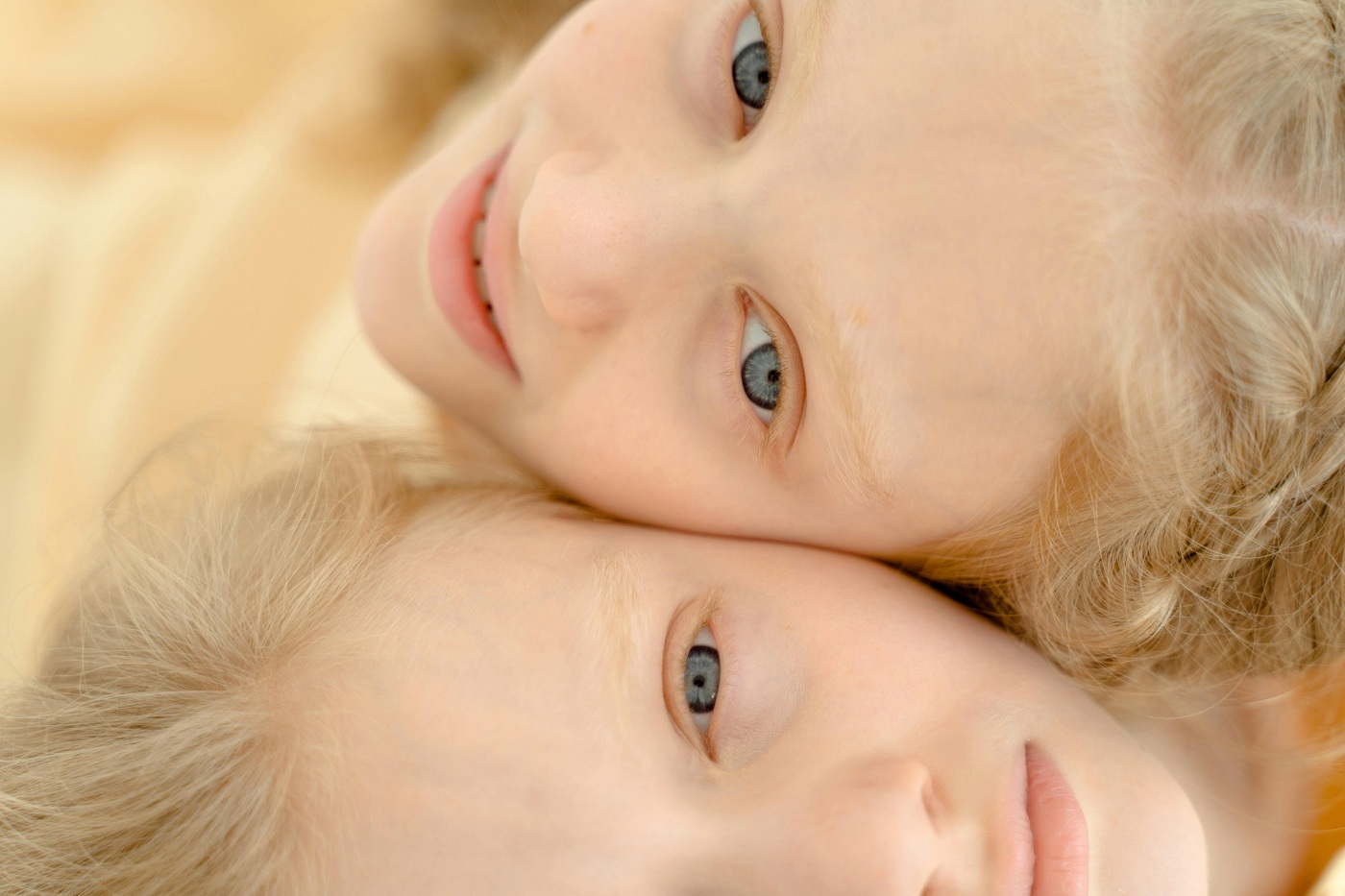
The distance in age between siblings subtly shapes the rhythm of their relationship. When children are close in age, interactions tend to be more intense. Shared interests lead to frequent engagement, which can result in both closeness and conflict. The emotional range is wide, and both connection and rivalry develop in parallel. With a moderate age difference, the dynamic often includes elements of admiration and imitation. The younger child may seek to follow, while the older may feel their position challenged. This requires careful emotional balance.Larger age gaps create a different landscape. Children may exist in more separate worlds, reducing direct conflict but also limiting natural opportunities for bonding. In such cases, intentional efforts to create shared experiences become particularly valuable. Each configuration carries its own strengths and challenges, all of which can be navigated with awareness.
The arrival of a second child is often described as a joyful expansion of the family. For the first child, however, it can also be an experience of displacement. This emotional complexity deserves recognition. Minimising the child’s feelings does not reduce them. Acknowledging the difficulty creates space for adjustment. Maintaining dedicated time with the older child reinforces their sense of importance. Involving them in caring for the younger sibling can also be beneficial, provided it is framed as inclusion rather than obligation. The goal is not to eliminate difficult emotions, but to integrate them into a new and stable family structure.
The relationship between siblings is one of the most intricate and meaningful connections a child will experience. It is shaped not only by affection, but by tension, negotiation, and growth. A parent’s role is not to create a conflict free environment, which would neither be realistic nor beneficial. Instead, it is to cultivate a space where children can learn to navigate their differences with respect, understanding, and resilience. Over time, through shared experiences and guided interactions, something profound begins to emerge. What once appeared as rivalry gradually transforms into familiarity, trust, and, often, a deep and enduring bond.