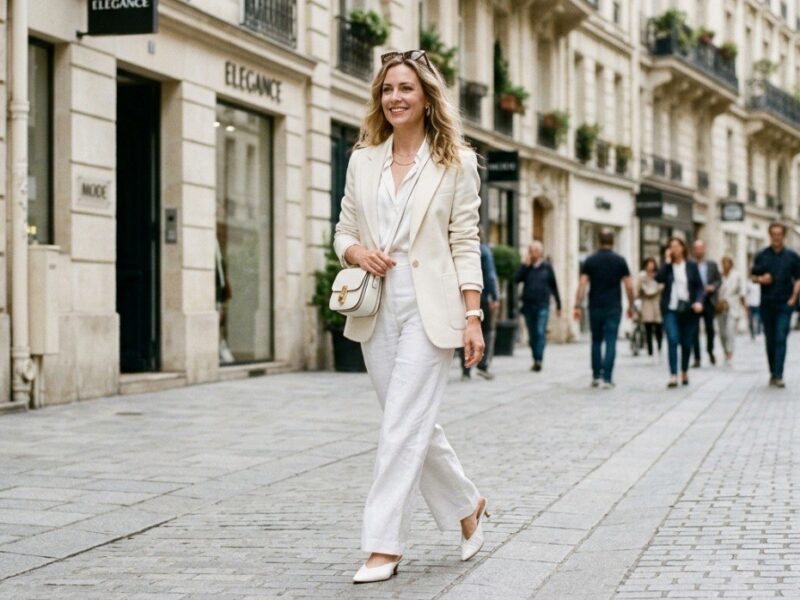


Print has always held a special place in the language of fashion. It is not simply a decorative element or an additional detail in a wardrobe composition. A print is a visual narrative, a way of expressing mood, identity and even a certain inner rhythm of a woman. The moment a print enters a look, it changes everything. It transforms simplicity into character, and neutrality into presence.
At the same time, prints remain one of the most delicate and often misunderstood elements of style. Many women hesitate when approaching them, unsure how to integrate them into everyday dressing without losing balance or elegance. Questions naturally arise about proportion, harmony, and the fine line between expressive and excessive.
The summer season of 2026 offers a particularly refined and diverse print vocabulary. It is a season where prints are no longer loud statements but rather carefully curated accents that can be adjusted to personality, silhouette and lifestyle. Understanding them becomes less about rules and more about intuition supported by gentle guidance.
Polka Dot: the defining print of summer 2026
Among all seasonal prints, polka dot emerges as one of the most visible and influential directions of summer 2026. It appears across collections from leading fashion houses and is widely interpreted in editorial pages of Vogue, Harper’s Bazaar and Cosmopolitan. Its return is not nostalgic in a literal sense but rather a modern reinterpretation of rhythm and symmetry in clothing.
Polka dot works because it is both structured and playful. It carries within itself a dual nature that allows it to shift between retro charm and contemporary minimalism depending on scale, contrast and fabric choice.
The most relevant interpretation of polka dot for 2026 is defined by several directions. Large scale dots placed on a light base such as white or cream create a strong visual statement that feels bold yet controlled. Smaller dots placed on deeper tones such as navy, black or burgundy introduce a more classic and refined elegance that echoes vintage fashion but remains completely relevant in modern wardrobes.
There is also a softer interpretation where polka dots appear on fluid materials such as silk, viscose or chiffon. In this case the print does not dominate the silhouette but rather moves with it, creating a sense of lightness and romantic ease. Monochrome versions, where contrast is minimal, offer a particularly sophisticated approach for those who prefer subtle expression rather than high visual tension.
One of the most important principles when working with polka dot lies in proportion. Larger dots naturally amplify volume and draw attention to shape, which makes them especially effective on more streamlined silhouettes. Smaller dots, on the other hand, create a visually slimming effect and tend to harmonize easily with different body types and styling approaches.
Naval Stripe: the timeless classic reinterpreted
Stripes remain one of the most enduring patterns in fashion history. They return every summer not as repetition but as reinterpretation. In 2026, stripes continue their evolution while preserving their timeless identity.
The classic nautical inspired stripe remains a cornerstone of summer wardrobes. White and navy combinations continue to represent effortless elegance and pair naturally with denim, white linen trousers and minimalist skirts. This version is often associated with a sense of coastal ease and understated sophistication.
However, contemporary interpretations expand far beyond tradition. Multicolour stripes introduce playfulness and artistic energy, especially when used in relaxed silhouettes such as oversized shirts or flowing dresses. Vertical stripes bring structure and elongation, creating a more formal and architectural impression that works beautifully in tailored pieces. Wide stripes offer a graphic and modern aesthetic that feels bold without being overwhelming.
The most important consideration when styling stripes is balance. Stripes already carry visual movement, which means they require calm surroundings in the rest of the outfit. Neutral accessories, simple silhouettes and controlled layering allow the print to remain elegant rather than chaotic. Wearing stripes from head to toe is possible, but it requires intentional styling and careful proportion control to maintain sophistication.
Floral Print: the modern romance of summer
Floral print has always represented the emotional language of summer dressing. It speaks of softness, femininity and natural beauty. In 2026, floral prints undergo a noticeable transformation that moves away from small repetitive patterns toward more expressive artistic compositions.
The most relevant floral direction of the season resembles painterly artwork rather than traditional textile patterning. Large scale floral compositions placed on light backgrounds such as white or cream create a sense of openness and romantic clarity. These prints feel less like decoration and more like visual storytelling.
Darker backgrounds such as black or deep navy introduce a more mature interpretation. In this version, floral elements appear luminous and expressive, almost like illuminated paintings against a night canvas. This approach brings elegance and depth, making floral prints suitable not only for daytime but also for evening occasions.
Monochromatic floral interpretations also gain importance. When flowers are created through variations of a single colour, the result becomes refined, architectural and unexpectedly modern. This version removes visual noise while preserving emotional softness.
When styling floral prints, restraint is essential. Because floral motifs already carry visual richness, they require minimal accompaniment. A single floral piece combined with neutral footwear and simple jewellery creates a balanced and elegant composition. The goal is not to compete with the print but to allow it to speak with clarity.
Tropical Print: the language of escape and summer freedom
Tropical print continues to represent the emotional idea of escape. It is associated with travel, warmth and a relaxed state of mind. In 2026, tropical motifs evolve into more sophisticated interpretations that move beyond bright holiday imagery into more curated and wearable aesthetics.
Dark tropical prints featuring deep green or navy backgrounds introduce maturity and restraint. These versions feel less like vacation wear and more like refined resort elegance. Neutral tropical palettes based on beige, sand or cream tones offer a softer interpretation that integrates easily into everyday summer wardrobes.
Monochromatic tropical prints, built through variations of green tones, introduce visual depth without overwhelming brightness. They feel modern, calm and balanced, making them suitable even for urban environments.
Tropical prints work best in relaxed silhouettes. Wide leg trousers, loose dresses, oversized shirts and flowing sets allow the print to move naturally and maintain its intended sense of ease. Structured tailoring tends to reduce the organic nature of tropical motifs, which is why fluid shapes remain the most harmonious choice.

Geometric Print: structure, rhythm and modern expression
Alongside organic motifs, geometric prints are becoming increasingly relevant in 2026. They represent order, clarity and contemporary visual thinking. Unlike floral or tropical patterns, geometry introduces structure and precision into fashion narratives.
The renewed interest in check patterns, zigzag formations and abstract geometry reflects a broader cultural shift toward visual clarity. Large scale Vichy checks appear as one of the season’s key directions, especially in soft pink and neutral palettes. These interpretations feel nostalgic yet modern at the same time.
Irregular geometric patterns introduce artistic unpredictability. Asymmetric shapes and abstract compositions create visual interest without relying on traditional floral or natural references. Minimal geometric prints in neutral tones align with the concept of quiet luxury, offering subtle texture rather than bold contrast.
Universal principles of wearing prints
Despite the diversity of prints in summer 2026, several universal principles help maintain balance and elegance in any styling approach.
- The first principle is intentional limitation. A single dominant print within one outfit is often enough to create visual impact. When one printed piece is combined with neutral elements, the result is usually harmonious and refined.
- The second principle is colour coherence. Every print carries a palette, and successful styling often involves repeating one or two of those tones in the rest of the outfit. This creates continuity and prevents visual fragmentation.
- The third principle is proportion awareness. Large prints naturally attract attention and require clean silhouettes to maintain balance. Smaller prints are more adaptable and can integrate into both structured and relaxed forms without overwhelming the overall look.
- The fourth principle is controlled experimentation. Mixing prints is possible in modern fashion, but it requires a shared visual language. This can be achieved either through a consistent colour palette or through complementary scale. When done correctly, print mixing becomes expressive rather than chaotic.
Summer prints in 2026 are not about excess or complexity. They are about refinement, intention and the ability to express personality through carefully chosen visual language. Each print carries its own mood, its own rhythm and its own emotional temperature. Understanding this allows fashion to feel less like a challenge and more like a form of personal storytelling that evolves naturally with the season.