


To understand the significance of the thyroid, one must first understand that the body is not a static system but a continuous orchestration of chemical signals and hormonal instructions. The thyroid produces hormones known as thyroxine and triiodothyronine, which circulate through the bloodstream and communicate with virtually every cell. These hormones determine how quickly the body converts nutrients into energy, how efficiently it burns calories at rest, and how dynamically it responds to daily demands.
When thyroid function is balanced, this internal communication remains fluid and efficient. Energy feels accessible, the mind is clear, and the body responds predictably to nourishment and movement. However, when production decreases, the entire metabolic structure begins to slow. It is not an immediate collapse but a gradual dimming of internal processes, as though the body is shifting into a lower gear without fully notifying its owner.
This regulation does not occur in isolation. The pituitary gland, located in the brain, monitors thyroid activity through a hormone known as thyroid stimulating hormone. When thyroid hormone levels decrease, the pituitary increases its signal, attempting to encourage greater production. This interaction becomes one of the most important indicators in medical evaluation, yet even this signal does not always capture the full complexity of how a person feels in her body.
Hypothyroidism as a slow unfolding process
Hypothyroidism is a condition in which the thyroid produces insufficient amounts of hormones to maintain optimal metabolic function. It is one of the most common endocrine disorders, particularly among women, and its development is often gradual enough to remain unnoticed in its early stages. In many cases, it is associated with an autoimmune process known as Hashimoto thyroiditis, in which the immune system gradually affects thyroid tissue, reducing its ability to function effectively over time.
What makes this condition particularly complex is not only its biological mechanism but also its subtle emotional and physical expression. The changes do not arrive as sudden disruptions but as a progressive shift in how the body feels from day to day. A woman may begin to notice that she is more tired than usual, that her recovery after rest is incomplete, or that her body no longer responds to familiar routines in the same way. These signs are often attributed to stress, aging, or lifestyle changes, which delays proper investigation.
The relationship between thyroid function and body weight
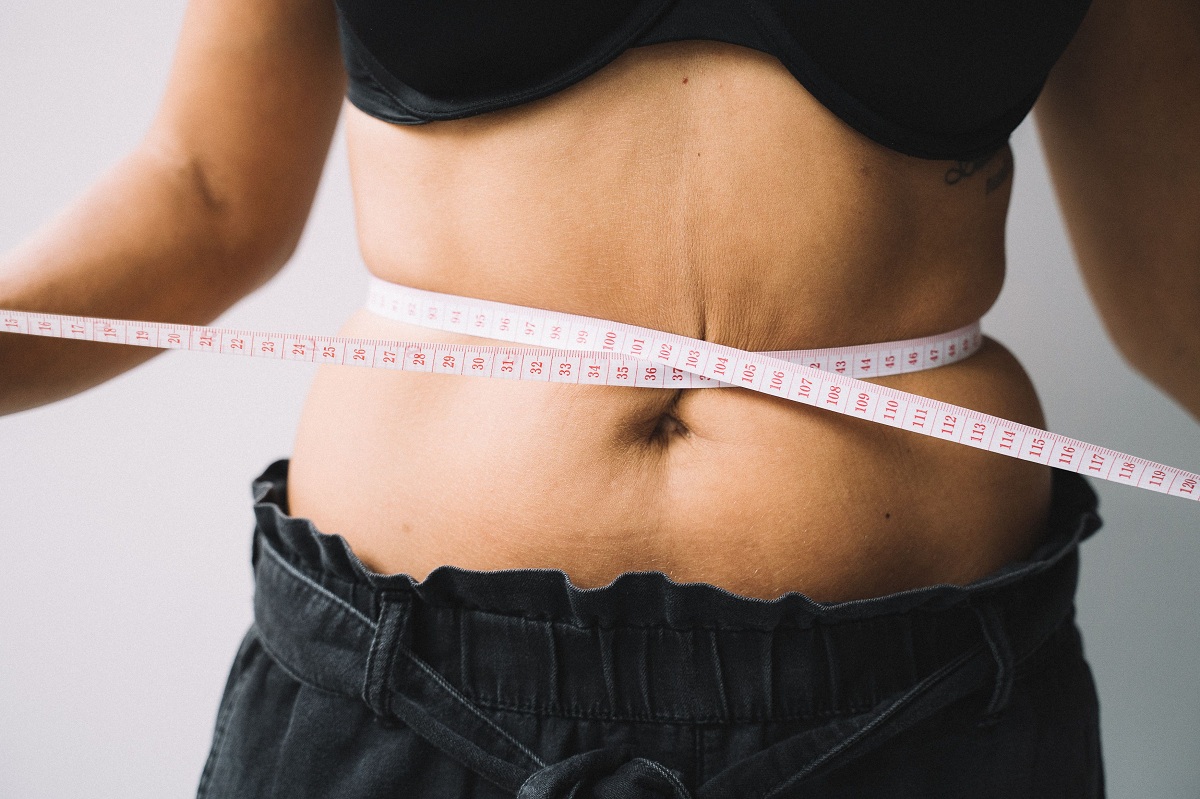
One of the most misunderstood aspects of thyroid health is its direct influence on body weight. When thyroid hormone levels decrease, the basal metabolic rate also decreases. This means that even at rest, the body burns fewer calories than it previously did. Over time, this reduction creates a metabolic environment in which weight gain becomes easier and weight loss becomes significantly more challenging.
In addition to metabolic slowdown, hypothyroidism often leads to fluid retention within tissues, which can create a sensation of swelling or heaviness in the body. This is not purely fat accumulation but a physiological response that alters how the body feels and appears. At the same time, hormonal changes can influence appetite regulation, often increasing cravings for carbohydrates and creating a stronger sense of hunger that does not always align with actual energy needs.
This combination of slower metabolism, fluid retention, and altered appetite creates a situation in which traditional approaches to weight management may become less effective. In such cases, reducing food intake alone does not resolve the underlying imbalance, because the metabolic system itself is functioning at a reduced capacity. This is why many women experience frustration when conventional advice does not lead to expected results, even when discipline and consistency are present.
The body speaks through subtle signals
Before hypothyroidism becomes clinically obvious, the body often communicates through a series of subtle but persistent signs. Fatigue that does not resolve after sleep becomes one of the earliest indicators. A persistent feeling of coldness, even in comfortable environments, may also appear as the body’s heat production slows down.
Changes in skin texture, such as dryness or loss of elasticity, often accompany thinning hair, particularly noticeable along the hairline or the outer part of the eyebrows. Cognitive changes may also emerge, including reduced concentration, slower thinking, and a sense of mental cloudiness that is often described as a fog that never fully lifts.
Other manifestations may include digestive slowing, changes in heart rate, elevated cholesterol levels, shifts in mood, and disruptions in menstrual regularity. These symptoms rarely appear all at once, which is why they are often interpreted as unrelated issues rather than parts of a unified physiological pattern.
Understanding diagnosis and medical evaluation
The process of diagnosing thyroid imbalance typically begins with a blood test measuring thyroid stimulating hormone. However, interpretation of this value requires nuance, since reference ranges may vary and a result that appears normal in a laboratory report may not always reflect optimal function for an individual experiencing symptoms.
For a more complete understanding, additional markers such as free thyroxine and free triiodothyronine are often evaluated, along with antibodies that indicate autoimmune activity. These combined indicators allow clinicians to form a more precise picture of thyroid health and its impact on the body.
When hypothyroidism is confirmed, treatment usually involves hormone replacement therapy prescribed and monitored by an endocrinologist. The goal is to restore hormonal balance in a way that supports metabolic function, energy levels, and overall physiological stability over time.
Supporting the thyroid through daily life
While medical treatment forms the foundation of care, daily habits and nutritional awareness can also support thyroid function. Nutrients such as iodine, selenium, and zinc play essential roles in hormone production and conversion processes. These are naturally found in foods such as seafood, nuts, seeds, and certain mineral rich ingredients that contribute to endocrine balance.
At the same time, the relationship between stress and thyroid function cannot be ignored. Chronic stress elevates cortisol levels, which can interfere with hormonal conversion and disrupt metabolic harmony. For this reason, emotional regulation, rest, and recovery are not secondary considerations but integral components of overall thyroid health.
In recent years, scientific discussions have also explored the relationship between autoimmune thyroid conditions and dietary patterns, including the potential role of gluten sensitivity in certain individuals. While research continues to evolve, what remains clear is that the body responds to long term internal balance as a system rather than isolated parts.
When weight becomes resistant to change and fatigue becomes a constant background to daily life, it is easy to search for explanations in lifestyle alone. Yet sometimes the body is asking for a different kind of attention, one that moves beyond surface level adjustments and into the deeper language of hormones and cellular communication.
The thyroid is not always the answer to every case of weight gain or exhaustion, but it is often a question that deserves to be asked with seriousness and care. Understanding it does not replace personal discipline or lifestyle awareness, but it adds an essential layer of clarity that can transform confusion into direction and frustration into informed action.
Sources:
- Garber, J.R. et al. “Clinical Practice Guidelines for Hypothyroidism in Adults.” Thyroid, 2012.
- Biondi, B., & Wartofsky, L. “Treatment with Thyroid Hormone.” Endocrine Reviews, 2014.
- American Thyroid Association. Hypothyroidism: A Booklet for Patients, 2023.
- Liontiris, M.I., & Mazokopakis, E.E. “A Concise Review of Hashimoto Thyroiditis.” Hell J Nucl Med, 2017.