
Permanent makeup has become one of the most discussed aesthetic procedures of recent years, steadily establishing itself at the intersection of beauty, precision, and long-lasting self-expression. It offers a way to refine facial features in a subtle yet enduring manner, creating the impression of naturally enhanced brows, softly defined lips, or delicately emphasized eyes. At the same time, it is also one of the most responsible decisions within the beauty sphere, because the result remains visible on the skin for months and often years, gradually fading rather than disappearing instantly. This means that every choice made before the procedure carries weight, from selecting the technique to choosing the specialist who will perform it.
Understanding what permanent makeup truly involves allows a person to approach it not as a simple cosmetic trend, but as a thoughtful aesthetic investment. The outcome depends on technique, pigment quality, skin characteristics, and the artistry of the specialist. For this reason, clarity and preparation are essential before taking the step.
What permanent makeup is
Permanent makeup, often abbreviated as PMU, is a technique in which pigment is introduced into the upper layers of the skin using a specialized digital device or manual tool depending on the method. Unlike traditional tattooing, which deposits pigment deeper into the dermis and creates a permanent mark, permanent makeup works within more superficial layers of the skin. This difference is what allows the result to gradually fade over time, shifting softly with the natural renewal of the skin.
Modern permanent makeup has evolved significantly from earlier decades. The methods used today are more refined, more controlled, and far more natural in appearance. Instead of harsh outlines or overly saturated tones, contemporary techniques focus on softness, symmetry, and the illusion of naturally present features. High quality pigments are designed to fade evenly rather than change color unpredictably, and advanced tools allow specialists to mimic the appearance of real hair strokes in the brows or the gentle gradient of natural lip tone.
The philosophy behind modern permanent makeup is not transformation in the dramatic sense, but enhancement. It is about supporting the existing facial structure and refining it in a way that feels balanced, elegant, and believable in everyday life.
The main types of permanent makeup
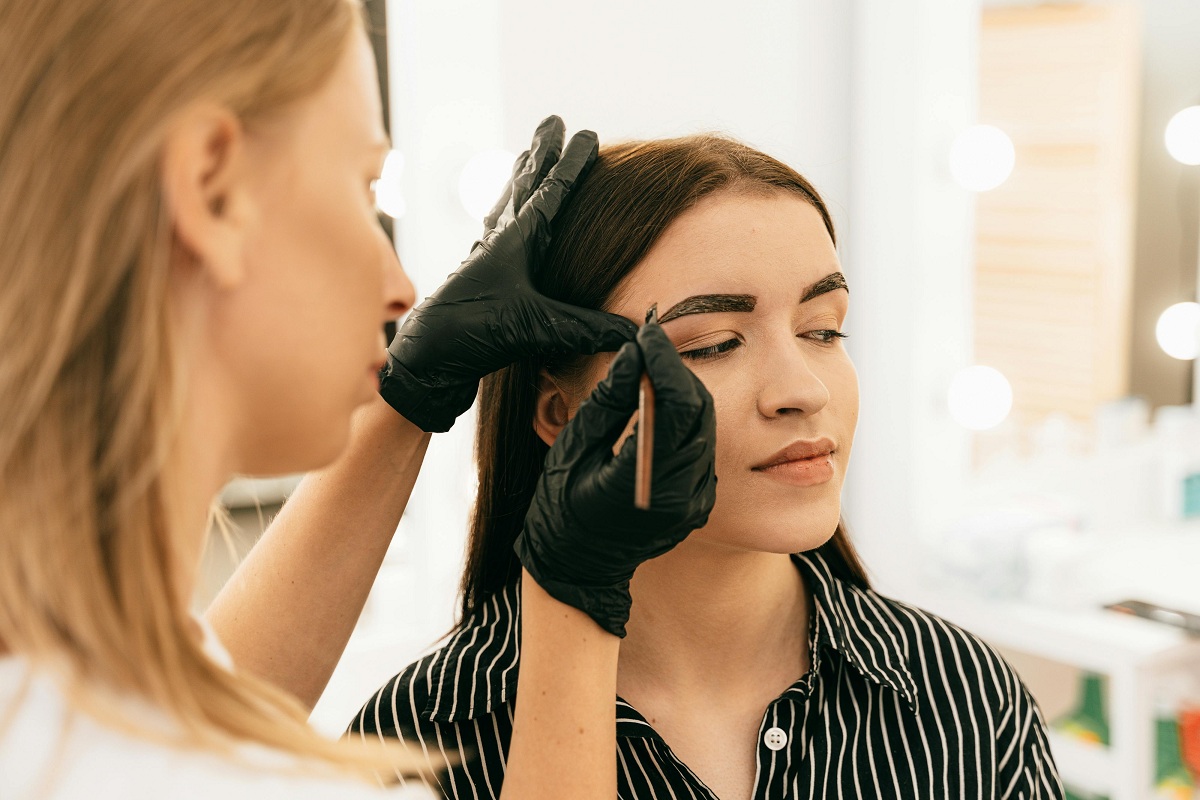
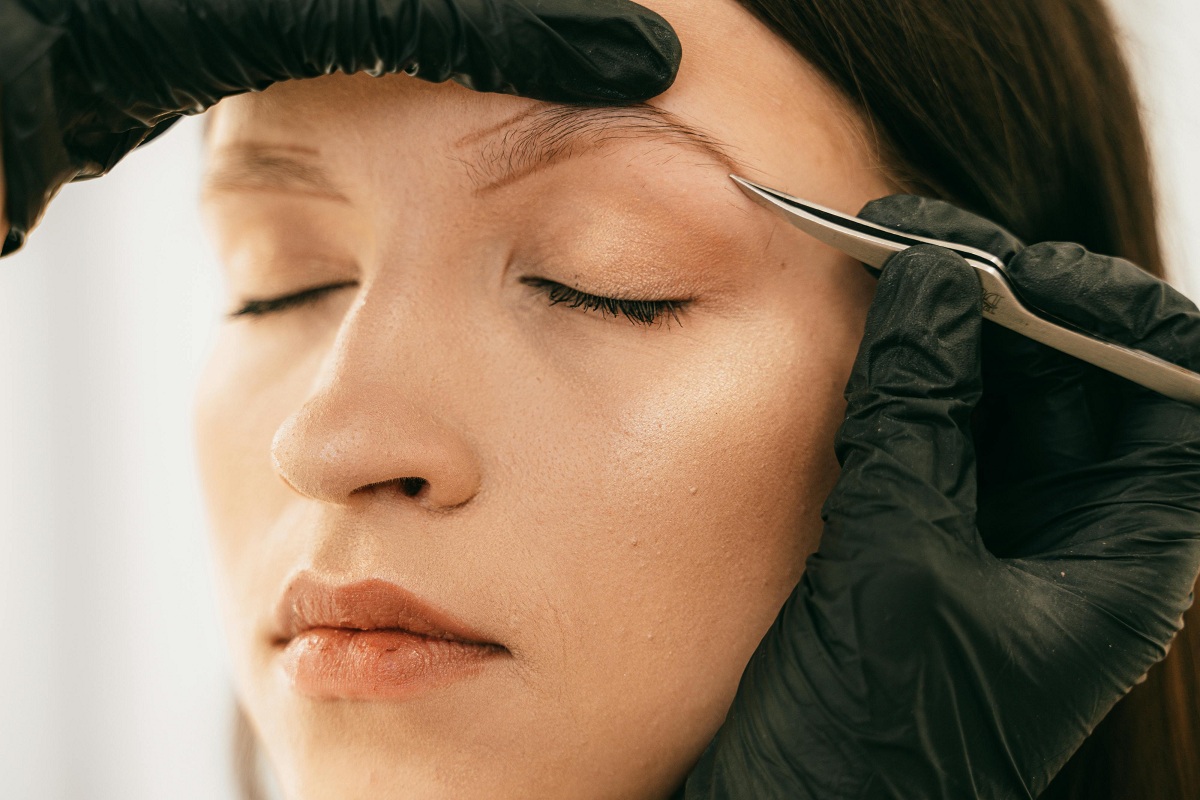
One of the most requested areas for permanent makeup is the eyebrows. Brows frame the face and significantly influence overall expression, which is why even subtle adjustments can change how features are perceived. Techniques vary depending on the desired result. Hair stroke techniques recreate the appearance of individual brow hairs, producing a natural and soft effect that closely resembles untouched brows. Powder techniques create a more diffused and softly shaded appearance, similar to the effect of makeup applied with a light hand. Combination approaches merge both methods to achieve structure and softness simultaneously. For individuals with sparse brows, asymmetry, or complete hair loss due to medical conditions, this procedure can restore a sense of balance and facial harmony.
Another widely chosen area is the eyes, particularly the lash line enhancement and eyeliner effect. Rather than creating a bold or graphic line, modern permanent eyeliner is often designed to subtly intensify the lash base, making the eyelashes appear fuller and more defined. This effect can give the eyes a more open and expressive look without visible makeup edges. When a more pronounced eyeliner style is selected, it is always adapted carefully to the natural eye shape so that the result enhances rather than overwhelms facial proportions.
Lip permanent makeup focuses on restoring or enhancing natural lip color and shape. Some techniques aim to gently define the lip contour, correcting asymmetry and improving clarity of shape. Others create a soft wash of color across the entire lip surface, giving a naturally tinted and hydrated appearance. This can be particularly beneficial for individuals whose lip tone has faded over time or who prefer a consistently polished look without daily lipstick application.
What to expect during and after the procedure
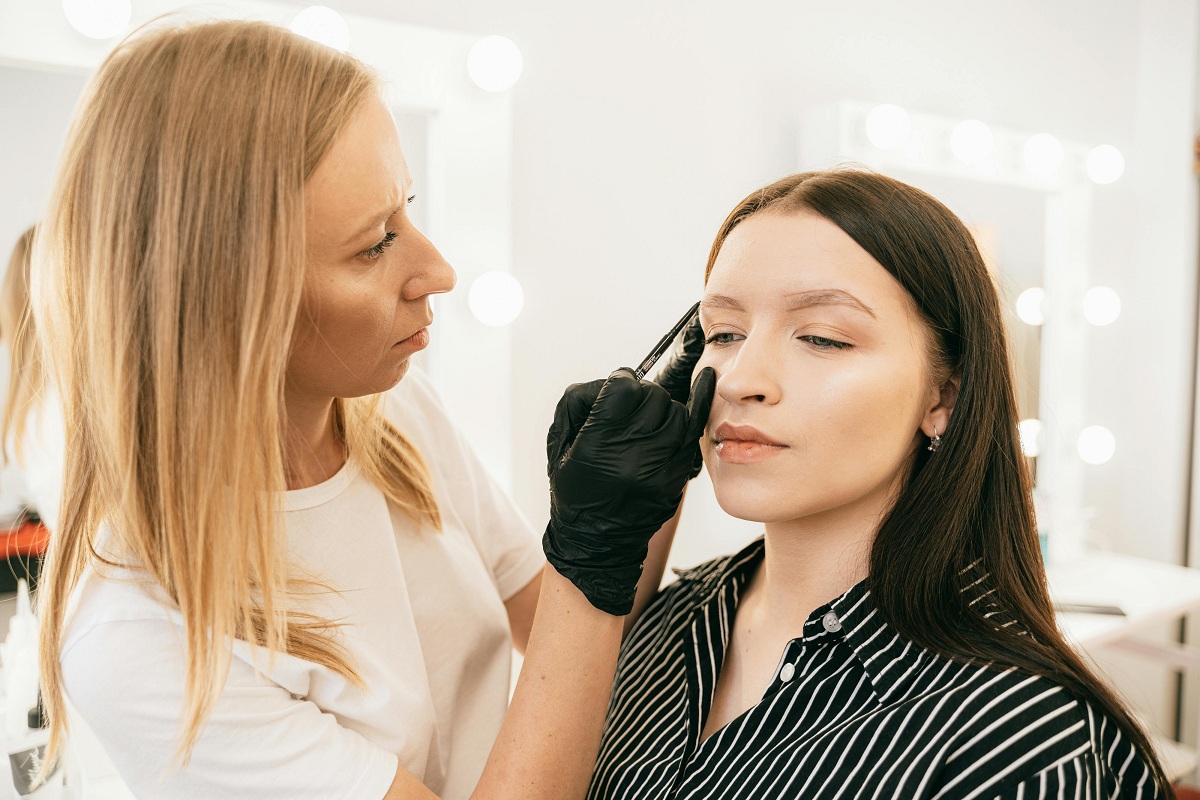
A permanent makeup session typically lasts between one and three hours, depending on the complexity of the chosen technique and the area being treated. The process begins with a detailed consultation and mapping of the features. During this stage, the specialist draws a preliminary sketch that outlines the future shape and proportions. This step is one of the most important parts of the entire procedure because it determines the final aesthetic direction. Precision and patience at this stage are essential, as the sketch serves as the foundation for all subsequent work.
Once the design is approved, a topical anesthetic is applied to reduce discomfort. While it helps minimize sensitivity, it does not completely eliminate sensation, and most clients describe the experience as mild pressure or light scratching rather than pain.
After the procedure, the skin enters a natural healing process. During the first days, the pigment often appears significantly more intense than expected. This can be surprising, but it is a normal part of the process. As the skin heals and regenerates, the color gradually softens, typically lightening by thirty to fifty percent. The true final result becomes visible after approximately four to six weeks, once the skin has fully stabilized.
A follow up session is commonly scheduled within four to eight weeks. This appointment allows the specialist to refine the color, adjust small details, and ensure long term balance. It is not a correction of mistakes but rather a standard part of achieving a polished and lasting result. The longevity of permanent makeup varies depending on skin type, lifestyle, and aftercare. On average, results last between one and three years. Oily skin tends to fade pigment more quickly, while careful sun protection and proper skincare can help maintain the appearance for a longer period.
Contraindications
Although permanent makeup is widely considered safe when performed professionally, there are situations in which the procedure is not recommended. During pregnancy and breastfeeding, it is generally advised to postpone the treatment due to hormonal fluctuations and increased skin sensitivity. Individuals with active oncological conditions or significant immune system disorders should avoid the procedure unless explicitly cleared by a medical specialist.
Certain skin conditions in the treatment area, such as active infections, inflammation, or severe dermatitis, also require postponement until full recovery. In some cases, medical consultation is necessary before proceeding, especially for individuals with a history of keloid scarring or those undergoing anticoagulant therapy, as these factors may influence healing. A history of herpes in the lip area may require preventive antiviral measures before lip procedures to reduce the risk of reactivation. Each case should be evaluated individually to ensure safety and optimal results.
How to choose a permanent makeup artist
Selecting the right specialist is perhaps the most important decision in the entire process. Permanent makeup is a blend of technical skill and artistic sensitivity, and the final result depends heavily on the practitioner’s experience and aesthetic judgment.
A strong portfolio is essential, but it should be evaluated carefully. It is important not only to look at freshly completed work, which often appears more saturated, but also at healed results after several weeks. This reveals how the pigment settles, how shapes retain their balance, and how natural the final outcome truly is.
Professional training and certification also matter, as they reflect a foundation of technical understanding. Equally important is the level of hygiene maintained in the studio. A professional environment should always prioritize sterile equipment, single use tools, and strict cleanliness standards.
A consultation before the procedure is another key indicator of professionalism. A qualified artist will take time to analyze facial proportions, discuss expectations, and explain what is realistically achievable. If a practitioner rushes this stage or avoids detailed discussion, it may indicate a lack of thoroughness.
There are also subtle warning signs that should not be ignored. Unusually low pricing compared to the market can sometimes reflect compromised quality or experience. Pressure to make an immediate decision is another red flag, as permanent makeup requires thoughtful consideration rather than impulsive commitment. Ultimately, choosing the right artist is not only about aesthetic preference but about trust, communication, and shared understanding of beauty.
Permanent makeup, when approached with care and awareness, becomes more than a cosmetic procedure. It transforms into a subtle form of design that respects individuality while enhancing natural features. Its success lies not in dramatic change, but in the quiet confidence it brings to everyday appearance, allowing beauty to feel effortless, balanced, and enduring.