
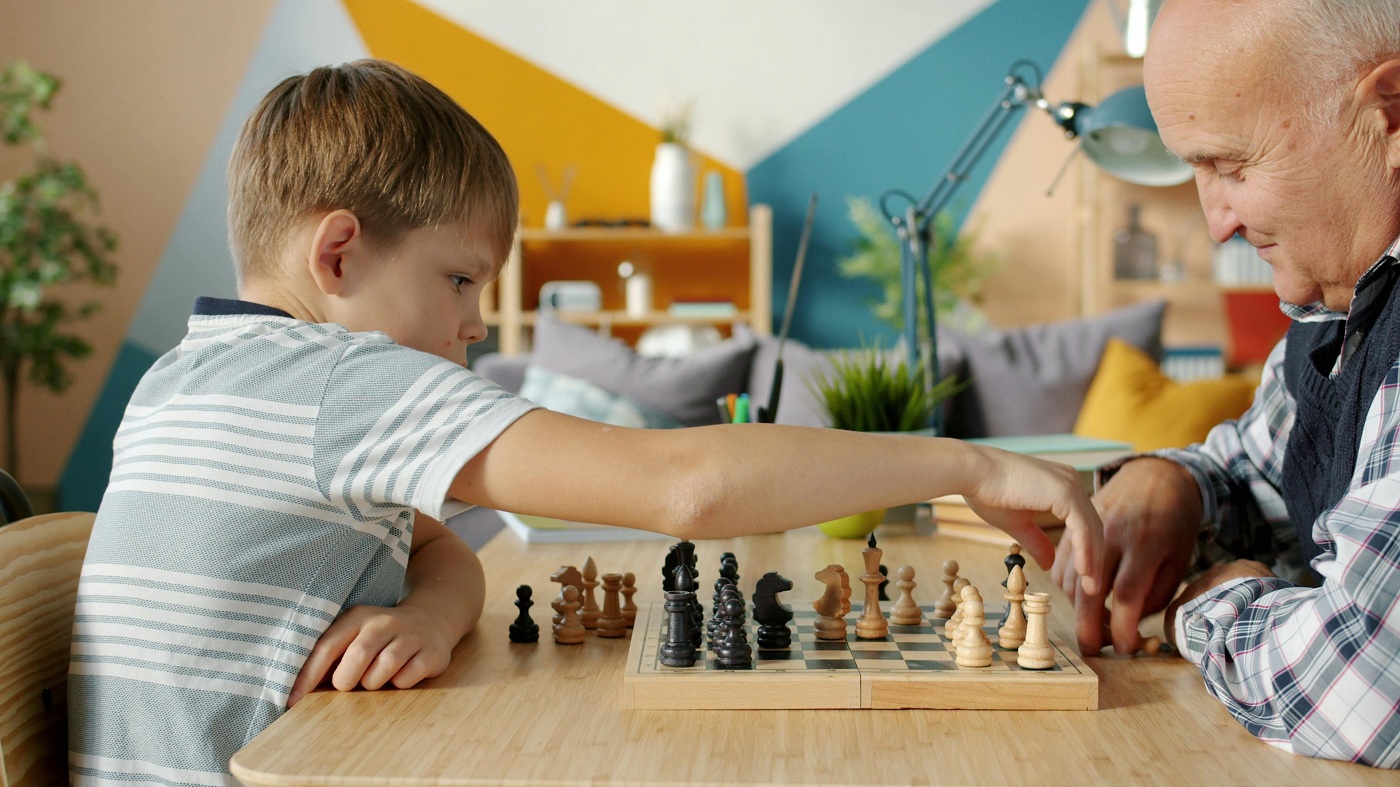
The board game ends and the child has lost. The reaction: tears, shouting, the board upended, or “I’m never playing again.” Sound familiar? Not knowing how to lose is one of the most common parenting complaints. And at the same time, one of the least discussed areas of child development. We teach children to read, to count, to brush their teeth. But coping with defeat almost never. Yet this is one of the most crucial skills of adult life. A person who doesn’t know how to lose, doesn’t know how to take risks. Doesn’t learn from mistakes. Avoids any situation where they might not win. That’s a path to a limited, anxious life.
Why children react this way to defeat
It’s important to understand child’s reaction to losing is not bad character or a tantrum. It’s a normal developmental stage.
Immature frontal cortex. The part of the brain responsible for emotional regulation, the prefrontal cortex, develops until age 25. In young children, it literally isn’t yet operating at full capacity. They physically cannot “just calm down.”
Egocentrism. Especially in children under 7, the world is perceived through the lens of “I.” Losing feels like a personal attack.
Inflated self-expectations. Children often have unrealistic assessments of their own abilities. When reality doesn’t match expectations, it hurts.
Behavioural model. If adults in the family demonstrate intolerance of mistakes and defeat, the child absorbs the same model.
Knowing how to lose matters for development
This isn’t about “not being upset.” It’s about frustration tolerance, the ability to survive setbacks without falling apart.
Children with high frustration tolerance:
- Are more persistent in pursuing goals;
- Cope better with challenging tasks at school;
- Are more emotionally resilient;
- Have higher self-esteem (because they’re not afraid to try);
- Build better social relationships;
Knowing how to lose isn’t accepting defeat. It’s the ability to recover, draw a lesson, and try again.
What parents can do: a practical guide
- Don’t let them win on purpose. Many parents think they should occasionally “let the child win” so they feel good. This is counterproductive. The child senses the inauthenticity of the victory and doesn’t learn to cope with real defeat. Play fairly. It’s a form of respect.
- Acknowledge feelings, don’t dismiss them. “You’re upset and that’s okay. It’s hard to lose.” Not “it’s just a game” and not “stop crying.” First – accept the feeling then help.
- Model a healthy response to defeat yourself. When you lose — show how to handle it: “I lost! A bit annoying. Good game though, shall we play again?” This is the most powerful lesson you can give.
- Talk about losses as lessons. “What do you think happened?”, “What could you try differently next time?” Not criticism but curiosity. This builds a growth mindset.
- Praise effort, not outcome. “You worked really hard”, “You learned a new strategy” instead of “well done for winning.” When the value is in the effort, losing stops being a catastrophe.
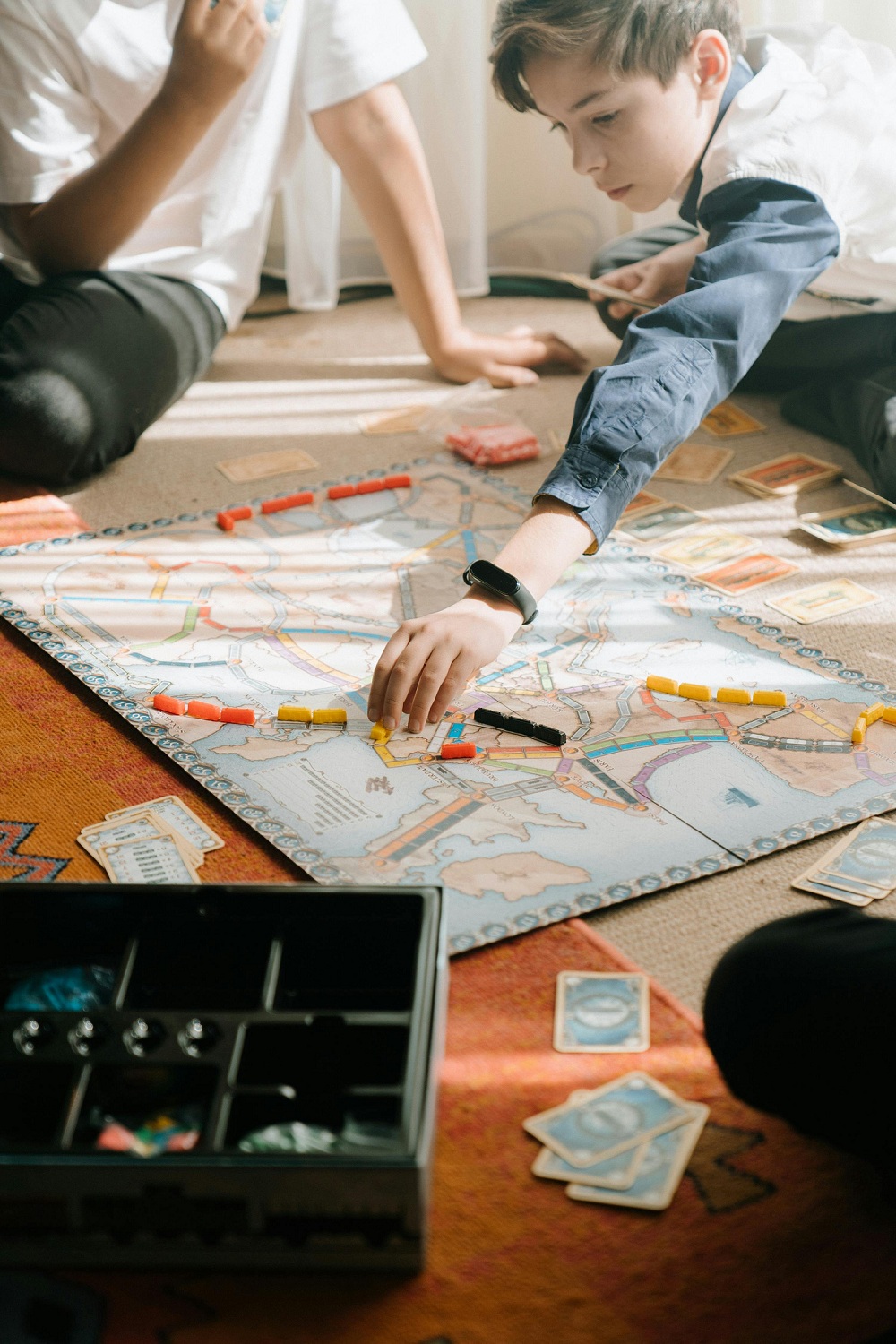
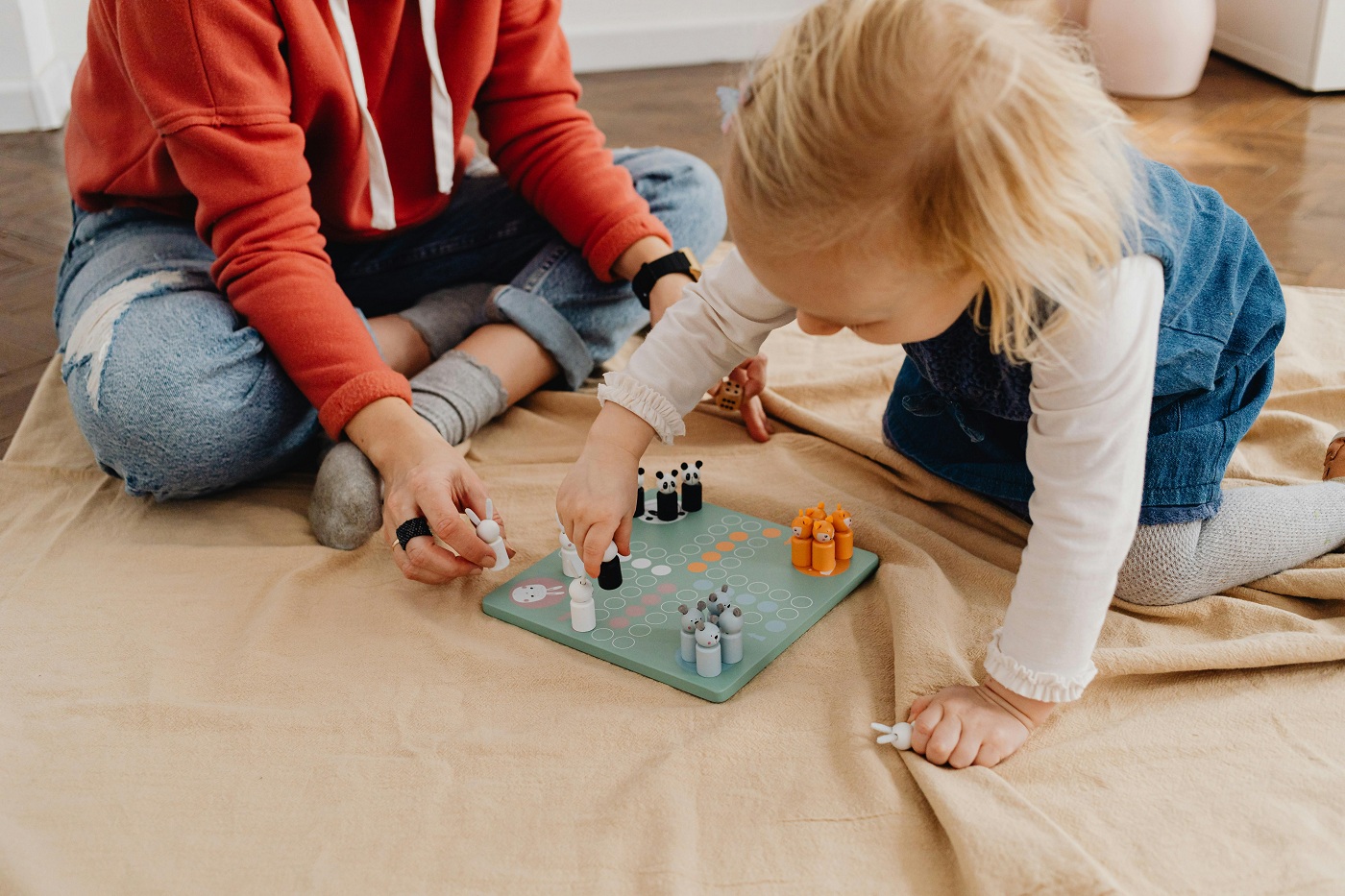
- Create safe opportunities to lose. Board games, sports, competitions: these are training grounds for life. The more “safe” defeats in childhood, the more resilient the adult.
- Allow recovery time. After an acute reaction don’t rush. “When you’re ready to talk, I’m here.” Respect the time your child needs to come back to themselves.
By Age
2-4 years: Losing is end of the world. This is normal. Task: name the feeling, redirect attention. Don’t expect a stoic response.
5-7 years: Beginning to understand the rules of games and the concept of winning/losing. Tantrums can still occur and that’s okay. Start introducing “what could we try differently” conversations.
8-10 years: Can begin to recognise and manage their reaction with support. The right time for deeper conversations about growth mindset.
11 years and over: Can apply skills independently. The parent’s role becomes supportive partner, not reaction monitor.
What not to do
Don’t dismiss: “It’s just a game”, “There’s nothing to be upset about”, this teaches the child that their feelings don’t matter. Don’t mock: “Look at him, crying over a game” shame is destructive. Don’t demand the “right” reaction immediately: “Smile and congratulate the winner” in the moment of acute distress this is a demand the child cannot meet. Don’t compare to others: “Look how well Mia handles losing” – comparison never helps. Knowing how to lose isn’t an innate trait. It’s a skill. One that develops through experience, conversation, and modelling. And through having an adult nearby who themselves knows how to handle defeat and demonstrates how it’s done.