

There is a particular kind of fatigue that no amount of sleep can soften, no luxurious morning ritual can disguise, and no carefully curated lifestyle can truly resolve. It lingers quietly beneath the surface of even the most polished days, revealing itself in subtle yet persistent ways. A strand of hair left on a silk pillowcase, a sense of breathlessness after climbing a single flight of stairs, a faint pallor that even the most luminous foundation cannot quite conceal. Many women, refined and perceptive as they are, often attribute these delicate shifts in their wellbeing to stress, to the rhythm of modern life, or simply to their own nature. Yet behind this quiet constellation of symptoms may lie a far more tangible and scientifically grounded explanation. Iron deficiency, a condition both understated and profoundly impactful, continues to be the most widespread nutritional imbalance in the world. According to the World Health Organization, approximately 1.6 billion people are affected globally, with women of reproductive age forming the most vulnerable and consistently overlooked group. The demands of menstruation, pregnancy, and breastfeeding create a continuous need for iron that even the most thoughtfully composed diet may struggle to satisfy.
What iron does and why it is essential
Iron is not merely a nutrient. It is a silent architect of vitality, orchestrating some of the most fundamental processes within the body with remarkable precision. At its core lies its role in oxygen transport. Iron forms an integral part of haemoglobin, the protein within red blood cells responsible for delivering oxygen from the lungs to every cell. When iron levels fall, this elegant system begins to falter. Cells receive less oxygen, and the body responds with fatigue, diminished endurance, and a subtle but unmistakable decline in mental clarity. Beyond oxygen, iron is deeply intertwined with energy production itself. Within the mitochondria, the delicate structures often described as the powerhouses of the cell, iron acts as a cofactor for enzymes that generate energy. Even in the absence of anaemia, when haemoglobin appears deceptively normal, low ferritin levels can quietly erode energy reserves, leaving one feeling persistently depleted. Its influence extends further into the immune system, where iron supports the proper functioning of immune cells, shaping the body’s resilience and ability to respond to external challenges. Equally, its role in beauty and visible vitality cannot be overlooked. Hair follicles are particularly sensitive to iron availability, and one of the earliest and most telling signs of deficiency is diffuse hair thinning. Skin may lose its natural radiance, and nails can become fragile, reflecting an internal imbalance that no external treatment alone can correct. Finally, iron plays a subtle yet significant role in cognitive function. Research published in Nutrition Reviews has demonstrated that insufficient iron levels are associated with reduced attention, memory, and overall cognitive performance, even in otherwise healthy adults.
Why women are particularly vulnerable
There is an elegance to the female physiology, yet it carries inherent demands that require careful attention. Menstruation alone represents a recurring loss of iron, one that is often underestimated. For women with heavier cycles, this loss becomes substantial, gradually depleting iron stores over time despite a seemingly adequate diet. Pregnancy introduces an entirely new dimension of need. The body must support not only its own functions but also the development of a growing life. Iron is required to nourish the fetus, sustain the placenta, and expand maternal blood volume. Scientific literature, including findings published in the British Journal of Haematology, links iron deficiency during pregnancy to increased risks such as preterm birth, low birth weight, and even postnatal mood disturbances. The postpartum period, often romanticised yet physiologically demanding, continues this vulnerability. Blood loss during childbirth combined with the demands of breastfeeding places many women at a heightened risk of deficiency precisely at a time when recovery and vitality are most needed. Dietary choices also play a defining role. Plant based, vegetarian, and vegan lifestyles, while refined and intentional, rely predominantly on non-haem iron, which the body absorbs far less efficiently than the haem iron found in animal products. Research from the American Journal of Clinical Nutrition indicates that plant derived iron may be absorbed at rates as low as two to twenty percent, compared to significantly higher rates for animal sources.
Iron deficiency and iron deficiency anaemia: a subtle but critical distinction
One of the most overlooked nuances in modern healthcare lies in the difference between iron deficiency and iron deficiency anaemia. Iron deficiency anaemia represents the final stage, where haemoglobin levels fall below normal and symptoms become more pronounced and clinically recognisable. However, long before this stage emerges, a quieter phase unfolds. Iron deficiency without anaemia, often referred to as tissue iron deficiency, is characterised by low ferritin levels while haemoglobin remains within normal limits. This is the stage at which many women are told that their results are normal, even as they continue to experience fatigue, hair loss, and diminished concentration. Scientific evidence published in the Journal of Nutrition confirms that low ferritin alone can significantly impact quality of life, affecting both physical and cognitive wellbeing. Importantly, appropriate iron supplementation at this stage has been shown to restore energy levels and improve daily functioning.
How to diagnose properly
A single glance at haemoglobin is not sufficient to understand iron status in its entirety. A more refined and comprehensive approach is essential. Ferritin stands as the most important marker, reflecting the body’s iron stores. Even when other values appear within normal ranges, a low ferritin level signals depletion. Many laboratories consider values above twelve micrograms per litre as normal, yet contemporary functional perspectives suggest that optimal wellbeing is more consistently associated with levels between fifty and seventy micrograms per litre. Additional markers, including serum iron and total iron binding capacity, provide further context, while a complete blood count offers a broader overview of blood health. If ferritin levels fall below fifty and symptoms are present, it is both reasonable and necessary to initiate a thoughtful discussion with a healthcare professional.
Sources of iron
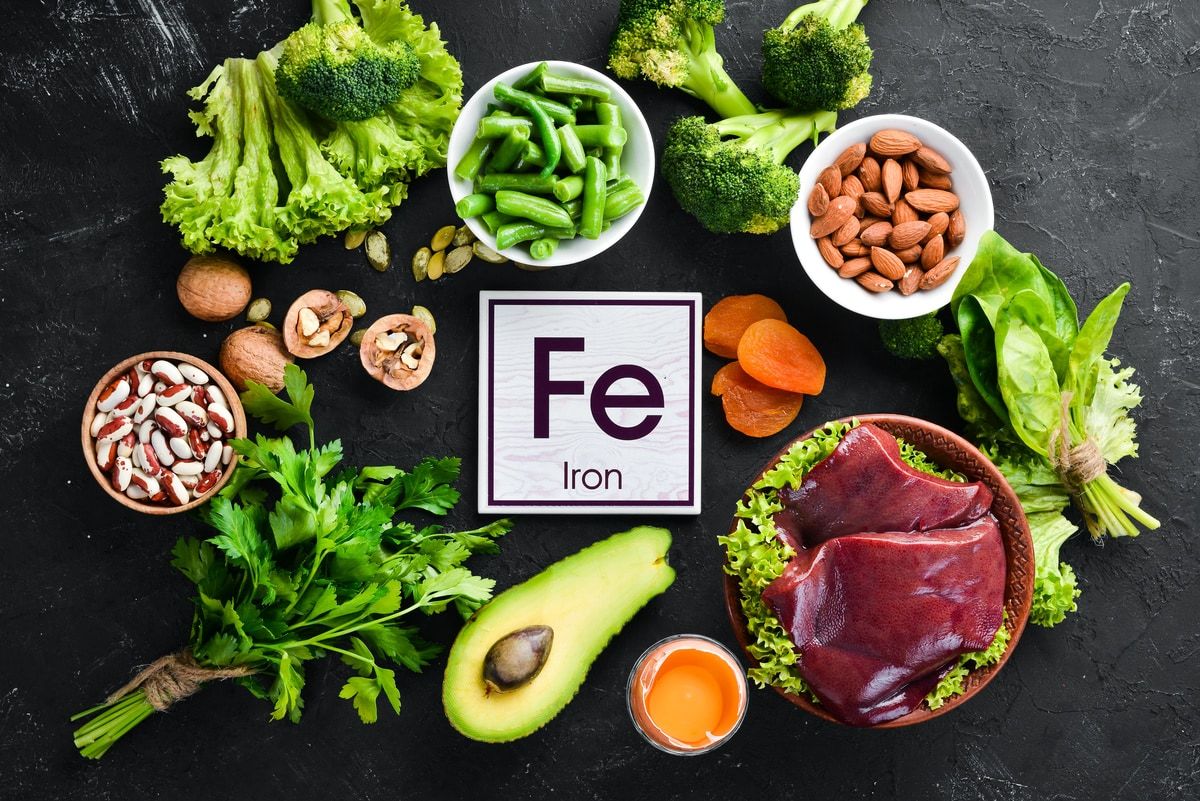
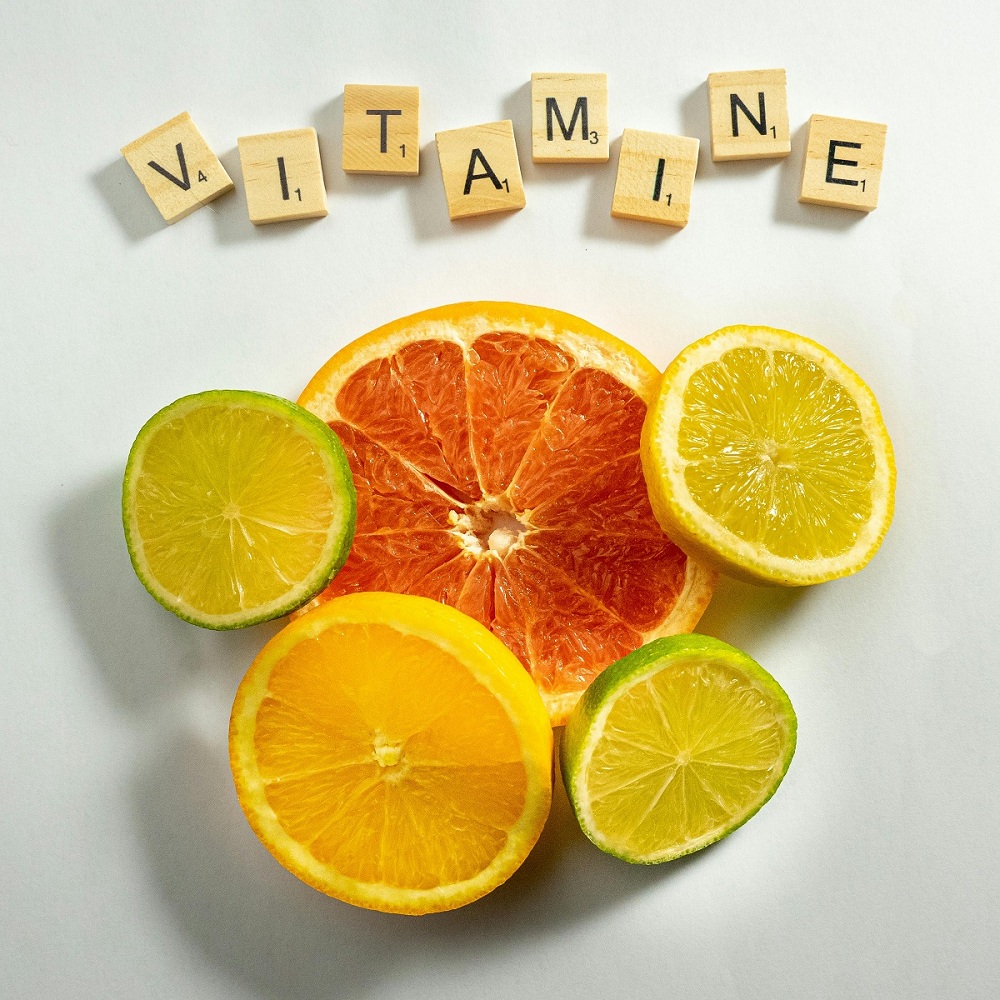
Nutrition, when approached with intention and refinement, becomes both a pleasure and a form of self-care. Animal derived haem iron offers the highest bioavailability. Foods such as beef liver, oysters, and tender cuts of beef or lamb provide a concentrated and efficient source of this essential mineral. Sardines, delicate yet rich in nutrients, offer an additional option that aligns beautifully with a Mediterranean inspired table. Plant based sources, while more subtle in their absorption, still hold value when thoughtfully combined. Pumpkin seeds, lentils, spinach, chickpeas, and high quality dark chocolate contribute meaningful amounts of iron, particularly when paired with vitamin C rich ingredients. A simple composition of lentils with ripe tomatoes, or spinach elevated with a touch of fresh lemon, can significantly enhance absorption. At the same time, certain habits may quietly inhibit this process. Tea and coffee, when consumed alongside meals, can reduce iron absorption by up to sixty percent. Calcium, though essential in its own right, competes with iron for absorption, and naturally occurring compounds in grains and legumes may further limit bioavailability if not balanced correctly.
Iron supplementation: when precision becomes essential
There are moments when even the most curated diet is not sufficient, and supplementation becomes not merely beneficial but necessary. Among the available forms, ferrous sulphate remains the most widely studied and accessible, though it is often accompanied by gastrointestinal discomfort. Iron bisglycinate, a more refined chelated form, offers excellent absorption with significantly improved tolerance, making it a preferred choice for many. Liposomal iron, representing a newer generation, provides enhanced bioavailability with minimal side effects, though it is positioned at a more premium level. The manner in which supplements are taken is equally important. Iron is best absorbed on an empty stomach or with light meals low in calcium. Pairing it with vitamin C, such as a glass of fresh orange juice, can enhance its effectiveness, while tea, coffee, and dairy should be avoided in close proximity. For individuals with confirmed deficiency, a daily intake of fifty to one hundred milligrams of elemental iron is commonly recommended, always under professional guidance.
There is a quiet power in understanding the body with clarity and precision. If fatigue has become a constant companion, unexplained by lifestyle or circumstance, it may be time to look deeper. A single test, ferritin, requires only minutes yet has the potential to illuminate months or even years of subtle imbalance. In the world of modern wellness, where elegance meets science, such knowledge is not merely informative. It is transformative.
Sources
- WHO — Iron deficiency anaemia // who.int
- NIH — Iron Fact Sheet // ods.od.nih.gov
- Brownlie, T. et al. (2002). Tissue iron deficiency in nonanemic women — AJCN // doi.org
- Mayo Clinic — Iron deficiency anaemia // mayoclinic.org
- NHS — Iron deficiency anaemia // nhs.uk
- Vogue — Why so many women are iron deficient // vogue.com
- Cosmopolitan — Iron deficiency: the silent epidemic affecting women // cosmopolitan.com
- Milman, N. (2011). Iron deficiency — a global health problem — Annals of Hematology // doi.org