

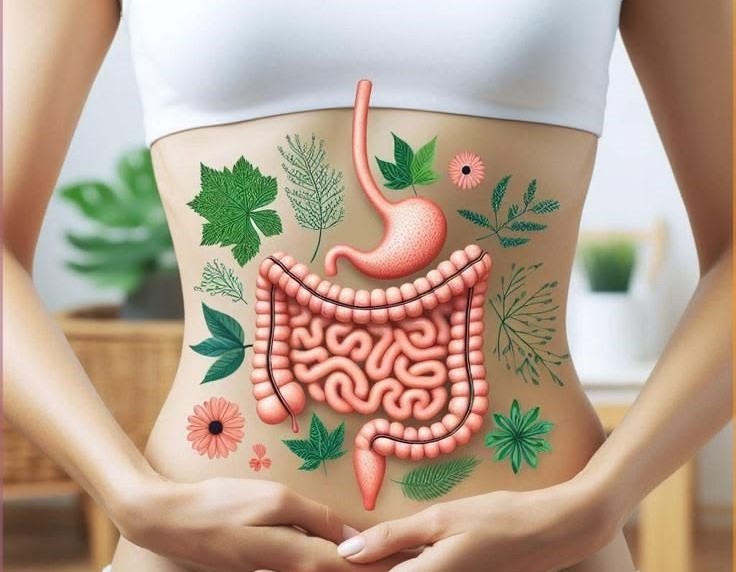
There are systems in the human body that we once believed to be secondary, almost silent in their influence, existing quietly in the background of biology. Yet modern science has revealed that the gut microbiome is not a background element at all. It is an entire universe within the human body, an intricate ecosystem composed of trillions of microorganisms that actively participate in shaping health, emotions, immunity, and even hormonal identity. Over the past two decades, scientific literature has transformed this subject from a niche biological curiosity into one of the most dynamic fields of medical research. According to findings published in Nature Reviews Microbiology, the human microbiome contains approximately thirty eight trillion microorganisms, a number comparable to the total count of human cells. Even more fascinating is the fact that these microorganisms collectively carry more than one hundred and fifty times the genetic information of the human genome itself. This means that what we call the human body is, in truth, a deeply collaborative biological system. The World Health Organization defines probiotics as live microorganisms that, when administered in adequate amounts, provide health benefits to the host. However, the reality of how they function is far more nuanced than a simple definition can express. Their impact depends on strain specificity, internal environment, diet, stress levels, and even sleep quality.
The gut microbiome is no longer considered merely part of digestion. It is now understood as a regulatory system that interacts continuously with immunity, metabolism, endocrine signaling, and neurological pathways.
Immune intelligence and internal protection
Approximately seventy to eighty percent of immune cells are located in or around the gastrointestinal tract. This makes the gut not just a digestive space but a central training ground for immune intelligence. Here, the body learns to distinguish between harmful pathogens and beneficial environmental exposures. When the microbiome is diverse and balanced, immune responses remain calibrated and adaptive. When this balance is disrupted, a state known as dysbiosis, the immune system may become overactive or underactive. Scientific research has linked such imbalances to chronic inflammation, autoimmune conditions, and increased susceptibility to infections.
The gut brain axis and emotional chemistry
One of the most revolutionary discoveries in contemporary neuroscience is the existence of the gut brain axis, a bidirectional communication system that connects the digestive tract and the brain through neural, hormonal, and immune pathways. A significant proportion of serotonin, often referred to as the happiness neurotransmitter, is produced in the gut rather than in the brain. This finding, supported by research in Nature Neuroscience, reshapes how we understand emotional regulation. The gut microbiome participates in the synthesis of neurotransmitters such as serotonin, dopamine, and gamma aminobutyric acid, all of which influence mood stability, stress resilience, and cognitive clarity. A meta analysis published in Psychological Medicine has shown a consistent association between gut dysbiosis and symptoms of anxiety and depression. This does not suggest that the gut is the sole cause of emotional states, but rather that it is one of the key biological environments influencing mental well-being.
Hormonal rhythm and the estrobolome
Within the gut microbiome exists a specialized functional group known as the estrobolome. This collection of microorganisms is responsible for metabolizing estrogens and regulating their circulation in the body. These bacteria produce enzymes that influence how estrogen is activated and eliminated. When this system is disrupted, hormonal imbalance may occur, contributing to conditions such as premenstrual syndrome, endometriosis, and broader endocrine irregularities. Scientific reviews in the Journal of Clinical Endocrinology and Metabolism have highlighted the importance of microbial balance in maintaining hormonal stability in women.
The microbiome also plays a role in metabolic health. It influences how energy is extracted from food, how fat is stored, and how insulin sensitivity is regulated. Research increasingly shows correlations between reduced microbial diversity and metabolic disorders such as type two diabetes and obesity.
What disrupts the microbial ecosystem
Modern life, despite its technological progress, often creates conditions that are unfavorable for microbial diversity.
Antibiotic exposure
Antibiotics remain one of the most powerful medical tools in human history. However, they do not distinguish between harmful and beneficial bacteria. Even a single course can significantly reduce microbial diversity, and recovery may take months. This does not diminish their importance but highlights the necessity of post treatment microbiome restoration.
Dietary depletion
A diet low in fiber and rich in ultra processed foods creates an environment in which beneficial bacteria struggle to survive. Microorganisms rely on prebiotic fibers as their primary source of nourishment. Without these fibers, microbial diversity gradually declines.
Chronic psychological stress
Stress is not only a psychological experience but also a biological signal that alters gut permeability and microbial composition. Prolonged stress reduces diversity and encourages the growth of less beneficial bacterial strains.
Sleep disruption
The microbiome operates on circadian rhythms. Irregular sleep patterns interfere with these biological cycles, contributing to inflammation and metabolic imbalance.
Probiotics in scientific perspective
The effectiveness of probiotics depends heavily on context, strain selection, and clinical indication. Clinical meta analyses, including those in the Cochrane Database of Systematic Reviews, confirm that certain probiotics are effective in reducing antibiotic associated diarrhea, improving symptoms of irritable bowel syndrome, and supporting vaginal microbial balance. In recent years, the concept of psychobiotics has emerged. These are probiotic strains that may influence mental health through the gut brain axis. Studies published in General Psychiatry and Nutritional Neuroscience suggest that certain strains may reduce symptoms of anxiety and mild depression. However, research is still evolving, and larger clinical trials are required for definitive conclusions.
Why strain specificity matters
One of the most misunderstood aspects of probiotics is the assumption that all strains within a species function in the same way. This is not scientifically accurate. Lactobacillus is not a single entity but a large family of distinct strains with different biological functions. Certain clinically studied strains include: Lactobacillus rhamnosus GG, which has strong evidence for preventing antibiotic associated diarrhea. Lactobacillus rhamnosus GR one and Lactobacillus reuteri RC fourteen, which are associated with vaginal microbiome support. Bifidobacterium longum combined with Lactobacillus helveticus, which have been studied in relation to stress response and emotional regulation. Understanding the exact strain is essential when evaluating a probiotic product.
Probiotics, prebiotics and fermented nutrition
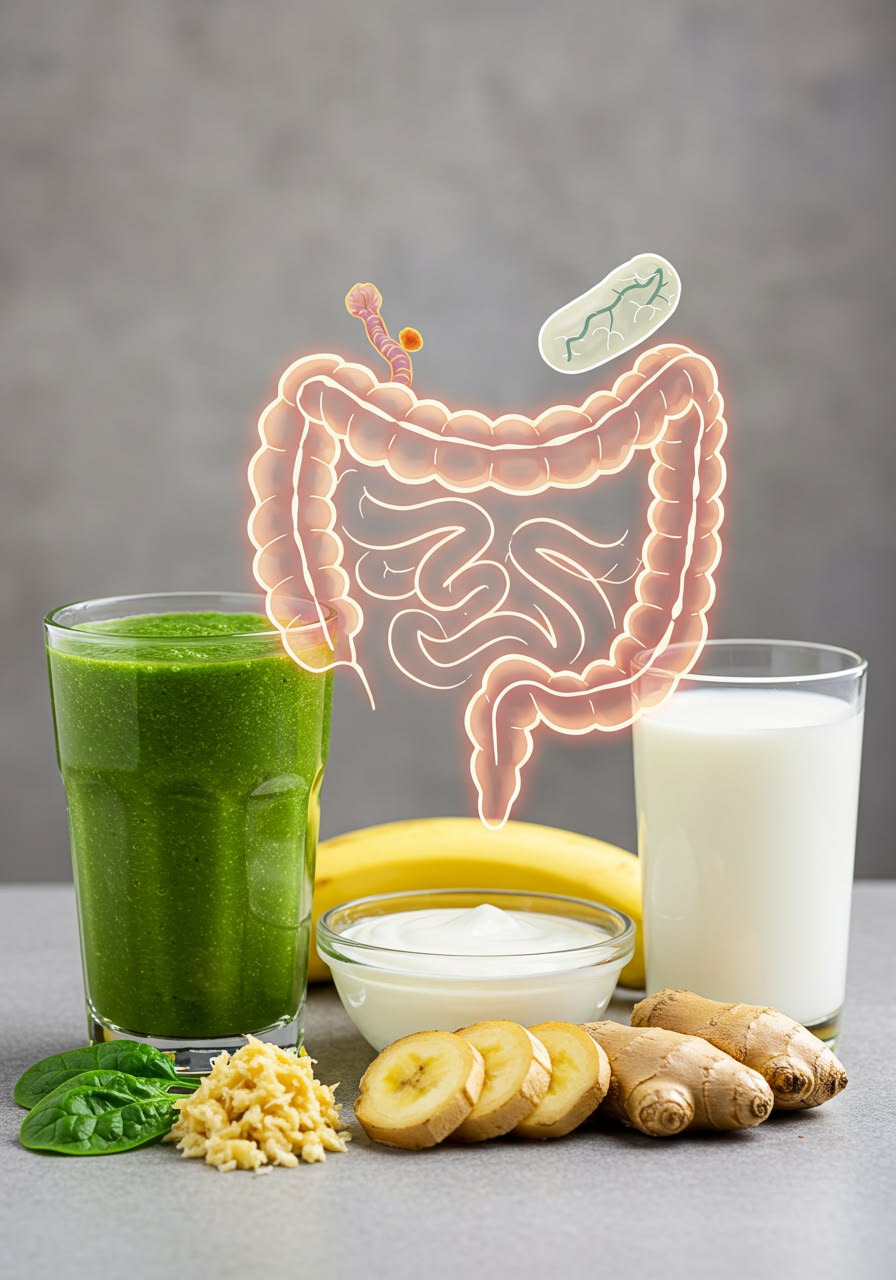
A balanced microbiome depends not only on supplementation but on nutritional ecology. Probiotics are live microorganisms introduced into the system. Prebiotics are dietary fibers that nourish existing beneficial bacteria. Synbiotics combine both elements to enhance effectiveness. Prebiotic rich foods include onions, garlic, leeks, asparagus, oats, and green bananas. These fibers are essential for sustaining microbial populations. Fermented foods represent one of the most ancient and natural sources of beneficial bacteria. Kefir, yogurt with live cultures, kimchi, sauerkraut, miso, tempeh, and natto contribute to microbial diversity. A landmark study published in Cell in 2021 demonstrated that diets rich in fermented foods significantly increase microbiome diversity and reduce inflammatory markers in the body.
The female Microbiome and hormonal sensitivity
Women’s health is uniquely influenced by microbial ecosystems. The vaginal microbiome is typically dominated by Lactobacillus species, which maintain an acidic environment that protects against infections. When this balance is disrupted, conditions such as bacterial vaginosis may develop. During pregnancy, the microbiome undergoes significant transformation. These changes support both maternal adaptation and early microbial transfer to the newborn, influencing immune development from the earliest stages of life.
The microbiome is not a passing wellness trend. It is a fundamental biological system that shapes human health in ways science is only beginning to fully understand. Supporting this system does not require extreme interventions. It requires consistency, diversity, and respect for biological rhythm. A fiber rich diet, fermented foods, quality sleep, stress regulation, and thoughtful medical use of antibiotics form the foundation of microbial health. Probiotics, when used with precision and scientific awareness, can serve as supportive tools. Not replacements for nutrition, but refinements within a broader ecological balance.
Sources
- Sender, R. et al. (2016). Human and bacteria cells revised — Cell // doi.org
- Cryan, J. F. et al. (2019). The microbiota-gut-brain axis — Physiological Reviews // doi.org
- Wastyk, H. C. et al. (2021). Fermented foods and immune status — Cell // doi.org
- WHO/FAO — Probiotics definition // who.int
- Harvard Health Publishing — The gut-brain connection // health.harvard.edu
- Vogue — Everything you need to know about your gut microbiome // vogue.com
- Cosmopolitan — Probiotics: the complete guide // cosmopolitan.com
- Mayo Clinic — Probiotics // mayoclinic.org