

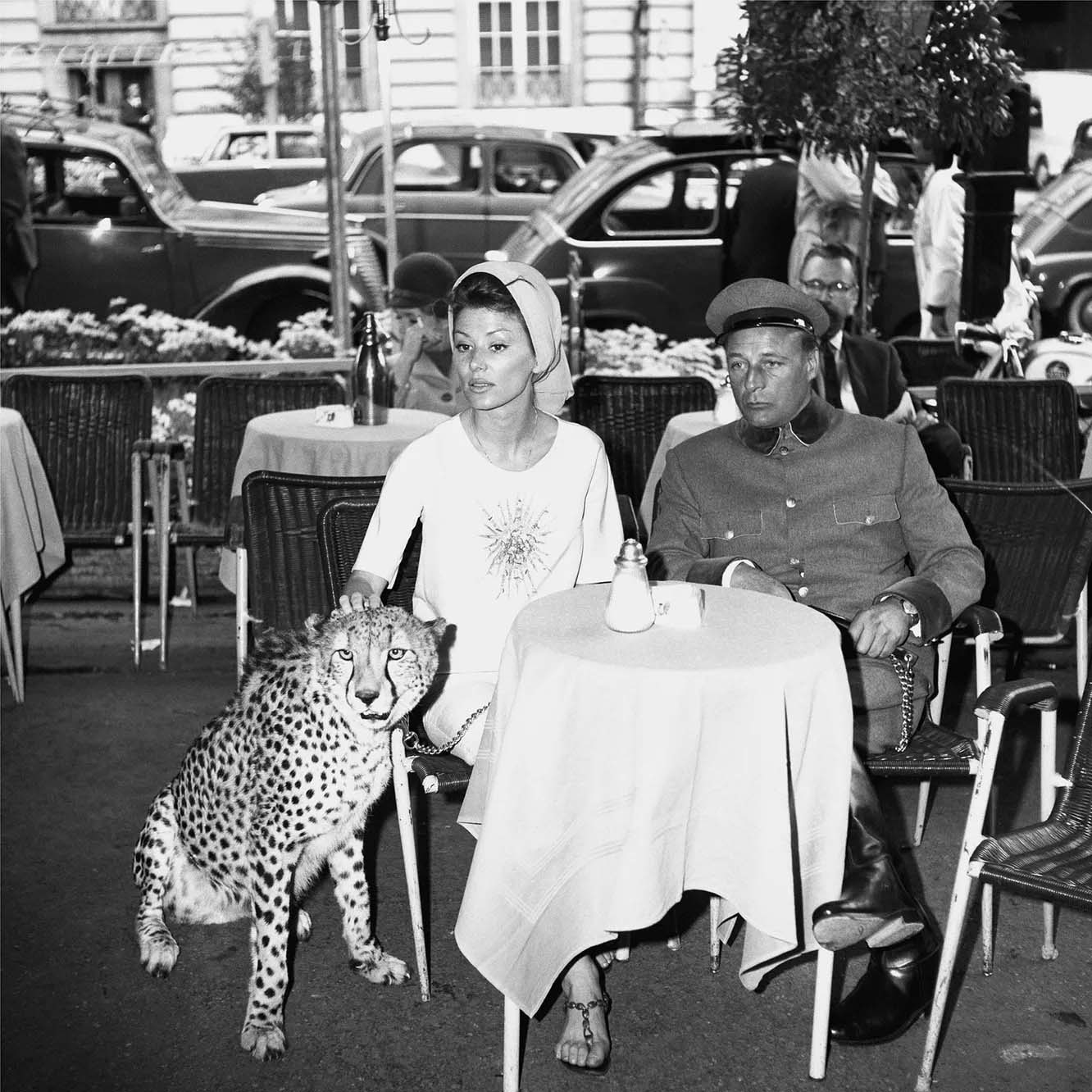
Today, the word “paparazzi” instantly brings to mind relentless photographers chasing celebrities for the perfect scandalous shot. But its origins lie deep in Italian cinema. The name Paparazzo first appeared in Federico Fellini’s iconic film La Dolce Vita, becoming a symbol of an entire era.
According to screenwriter Ennio Flaiano, Fellini spotted the name in George Gissing’s novel By the Ionian Sea and immediately knew it suited his character. “Paparazzo reminds me of a buzzing insect, hovering, darting, stinging,” Fellini once told Time. Indeed, it sounds similar to the Italian word for mosquito, pappataci. From the start, paparazzi were imagined as insistent predators within popular culture.
From La Dolce Vita to Via Veneto: Paparazzi in Action
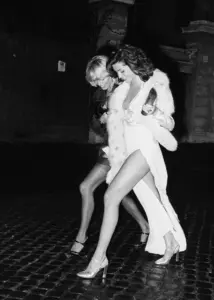
The relationship between paparazzi and Italian cinema in the 1950s–60s was far more complex. These photographers became a vital part of the ecosystem alongside directors who defined an era and international stars flocking to Rome.
La Dolce Vita (1960) not only named the phenomenon but also captured the spirit of a decade, bridging postwar austerity and the tumultuous 1970s. Cinecittà, Europe’s largest studio, originally built under Mussolini, became a Hollywood alternative. Foreign stars such as Audrey Hepburn and Richard Taylor graced the streets of Rome, while local photographers, previously snapping tourists at the Trevi Fountain for pocket change, earned serious money capturing celebrity exclusives.
From La Dolce Vita to Via Veneto: Paparazzi in Action
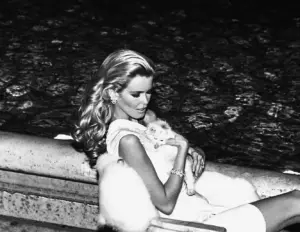
Street photographers, called scattini at the time, inspired Fellini. He spent evenings listening to their stories over drinks — tales of long stakeouts, ingenious escapes, and dramatic pursuits. One key prototype of Paparazzo was Tazio Secchiaroli, who declined the role on screen, preferring the lens and mentoring actors on set. Several scenes in La Dolce Vita pay homage to his outrageous real-life exploits.
One infamous episode involved Turkish dancer Ayşe Nana performing a private striptease in a Roman restaurant, captured from a high vantage point by Secchiaroli. This composition included both the dancer and the observing audience, turning the moment into an enduring cinematic reference. Another famous scene — Anita Ekberg’s fountain bath — was inspired by photographer Pierluigi Praturlon, who maintained friendly relations with many stars. Praturlon even reenacted a real-life event for the camera, blending reality and cinema seamlessly.
From La Dolce Vita to Via Veneto: Paparazzi in Action
Paparazzi influenced Italian film far beyond a few anecdotes. Scandals, brawls, and sensational shots often portrayed them as adversaries of the movie industry, yet they were deeply woven into its fabric. Postwar stars realized their off-screen lives were as important as their roles. Public appearances became performances — a blurred line between life and art.
Most paparazzi shots came from Via Veneto, Rome’s main social street. Though photographers had informants throughout the city, the most sensational moments often came directly from celebrities, their agents, or studio directors, who understood the marketing value of scandalous images.

From La Dolce Vita to Via Veneto: Paparazzi in Action
Some photographers, like Rino Barillari, became famous for a confrontational style. Over his 60-year career, he endured injuries, broken cameras, and flashes, yet transformed this daring approach into legendary status. Early pioneers like Secchiaroli and Praturlon eventually left the profession, but they left behind a visual code of the La Dolce Vita era, later carried on by successors like Barillari.


